
Why Pubrio + Twilio Outperforms Traditional Cold Calls
Cold calling is losing effectiveness across APAC. Pubrio + Twilio offers a faster, automated, and more scalable way to reach prospects — without burning out your sales team.


Discover How Pubrio + Twilio Helps APAC B2B Teams Scale Outreach Faster and Smarter Than Traditional Cold Calling
Cold calling used to be the backbone of B2B sales. But in APAC’s fast‑moving markets, buyer behavior has changed. Decision‑makers rarely pick up unknown numbers, gatekeepers filter aggressively, and SDRs spend hours dialing with little to show for it.
Meanwhile, communication platforms like Twilio have transformed how businesses connect with customers — and when paired with Pubrio’s APAC‑focused prospecting engine, the result is a high‑volume, high‑precision outreach system that outperforms traditional cold calling on every metric that matters.
Why Traditional Cold Calling Fails in APAC Today
Cold calling isn’t failing because sales teams are doing it wrong — it’s failing because the APAC landscape has changed faster than the tactic itself. Buyers are harder to reach, expectations are higher, and the region’s diversity makes one‑size‑fits‑all outreach nearly impossible. What used to be a reliable top‑of‑funnel engine is now a slow, unpredictable, and emotionally draining process for most SDR teams. These challenges aren’t just operational; they directly impact pipeline consistency and revenue predictability.
Here’s why traditional cold calling struggles to keep up in APAC’s modern B2B environment:
1. Low Answer Rates
Across APAC, answer rates for unknown numbers continue to drop. Busy executives simply don’t pick up calls unless they’re expecting them. This leads to wasted hours and frustrated SDRs.
2. High SDR Burnout
Manual dialing, repeated rejections, and slow progress create emotional fatigue. Many teams struggle to maintain morale, leading to turnover and inconsistent pipeline generation.
3. Limited Daily Reach
Even a strong SDR can only make 60–80 quality calls a day. In fragmented APAC markets, this volume is rarely enough to build predictable pipeline.
4. No Personalization at Scale
Cold calls rely on scripts. Buyers expect relevance — not generic pitches. Without data‑driven personalization, most calls feel intrusive rather than helpful.
5. Compliance & Timing Challenges
Different APAC countries have different calling norms, time‑zone constraints, and cultural expectations. Manual calling makes it easy to get this wrong.
How Pubrio + Twilio Transforms Outbound for APAC Teams
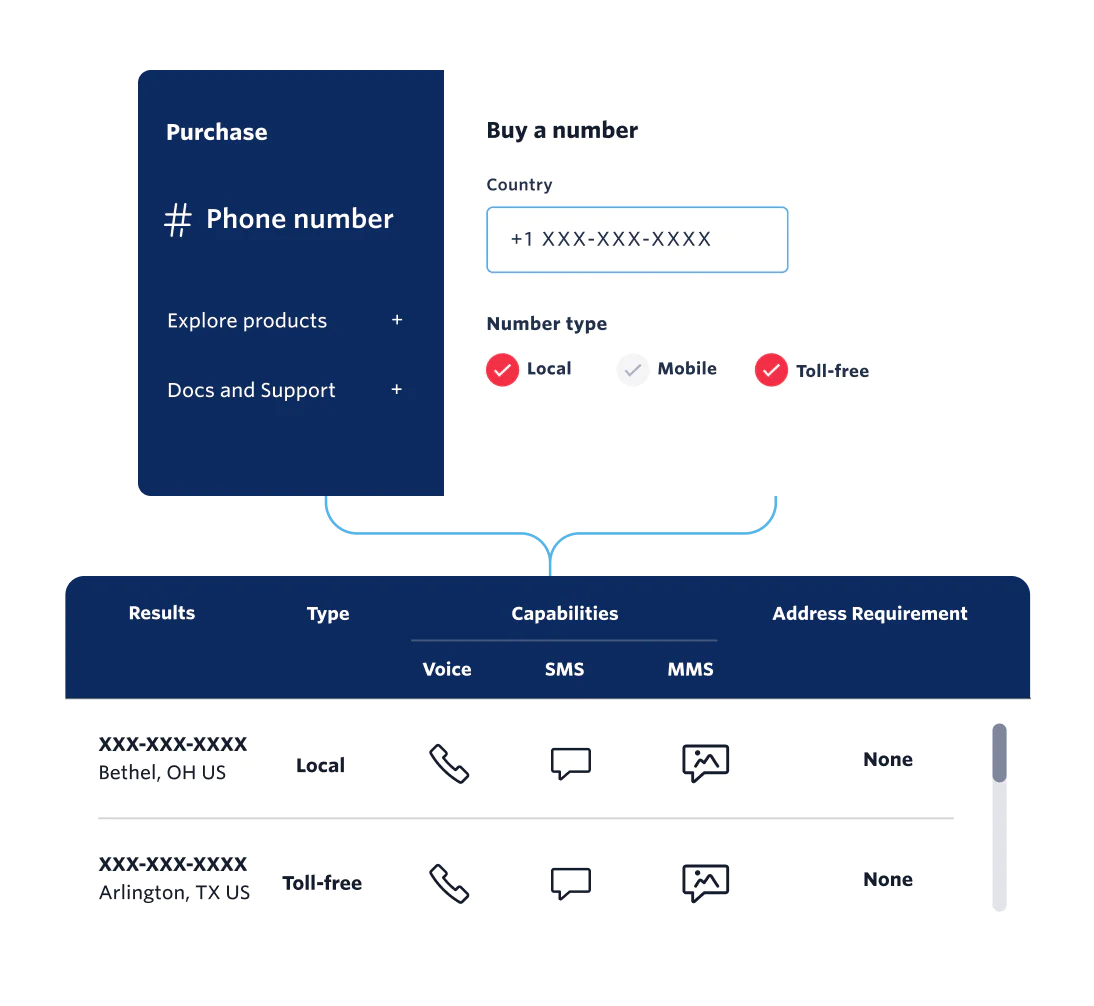
Most sales teams in APAC know that traditional cold calling is becoming less effective — but many still don’t realize how dramatically modern communication platforms can change the game. When Pubrio’s APAC‑specific lead intelligence is paired with Twilio’s programmable communication channels, outbound stops being a manual, unpredictable grind and becomes a scalable, data‑driven system. Instead of relying on a single phone call that may never be answered, teams can orchestrate coordinated, personalized touchpoints across SMS, WhatsApp, and voice — all triggered automatically and delivered at the perfect moment.
Below is a deeper look at how this combination works, why it outperforms manual calling, and how APAC teams can apply it immediately.
1. Automated, Multichannel Outreach That Actually Reaches Buyers
Most cold calls fail because they rely on one channel: voice. Pubrio + Twilio expands this into a multichannel strategy that mirrors how APAC buyers actually communicate.
With this setup, teams can automate:
- SMS sequences
- WhatsApp messages
- Verified business calls
- Follow‑up reminders
- Routing to the right SDR
This matters because APAC buyers often prefer messaging apps over phone calls. By meeting prospects where they already are, engagement rates rise dramatically — especially in markets like Singapore, Malaysia, Indonesia, and the Philippines where WhatsApp is dominant.
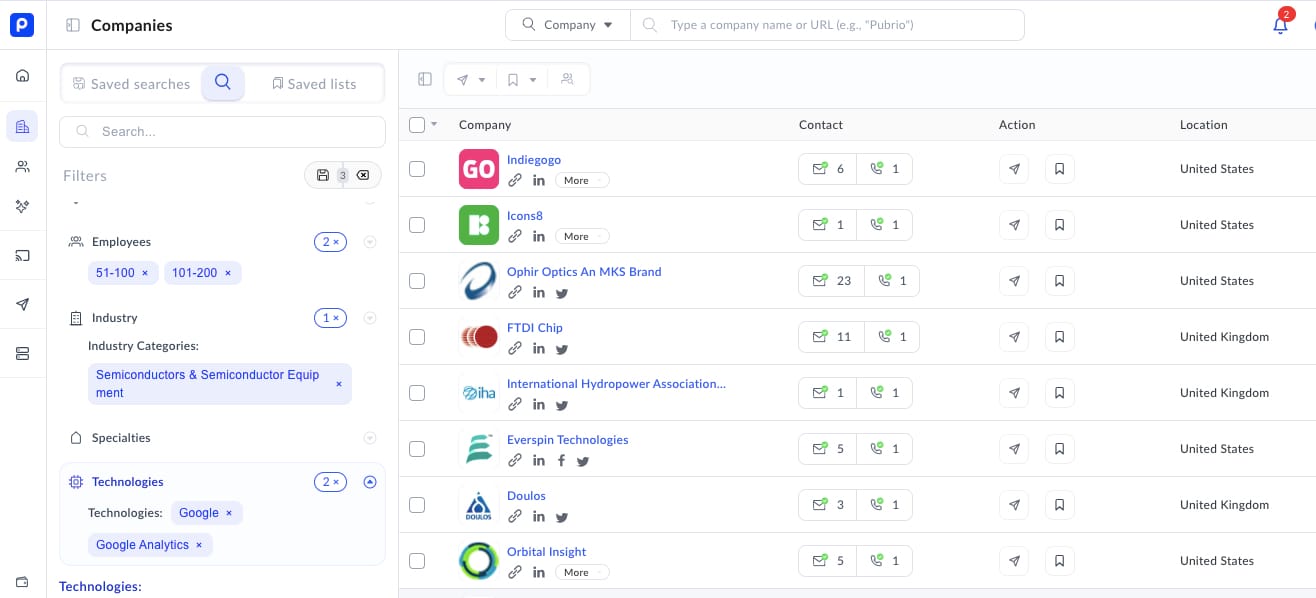
2. APAC‑Optimized Lead Data Ensures Messages Land With the Right People
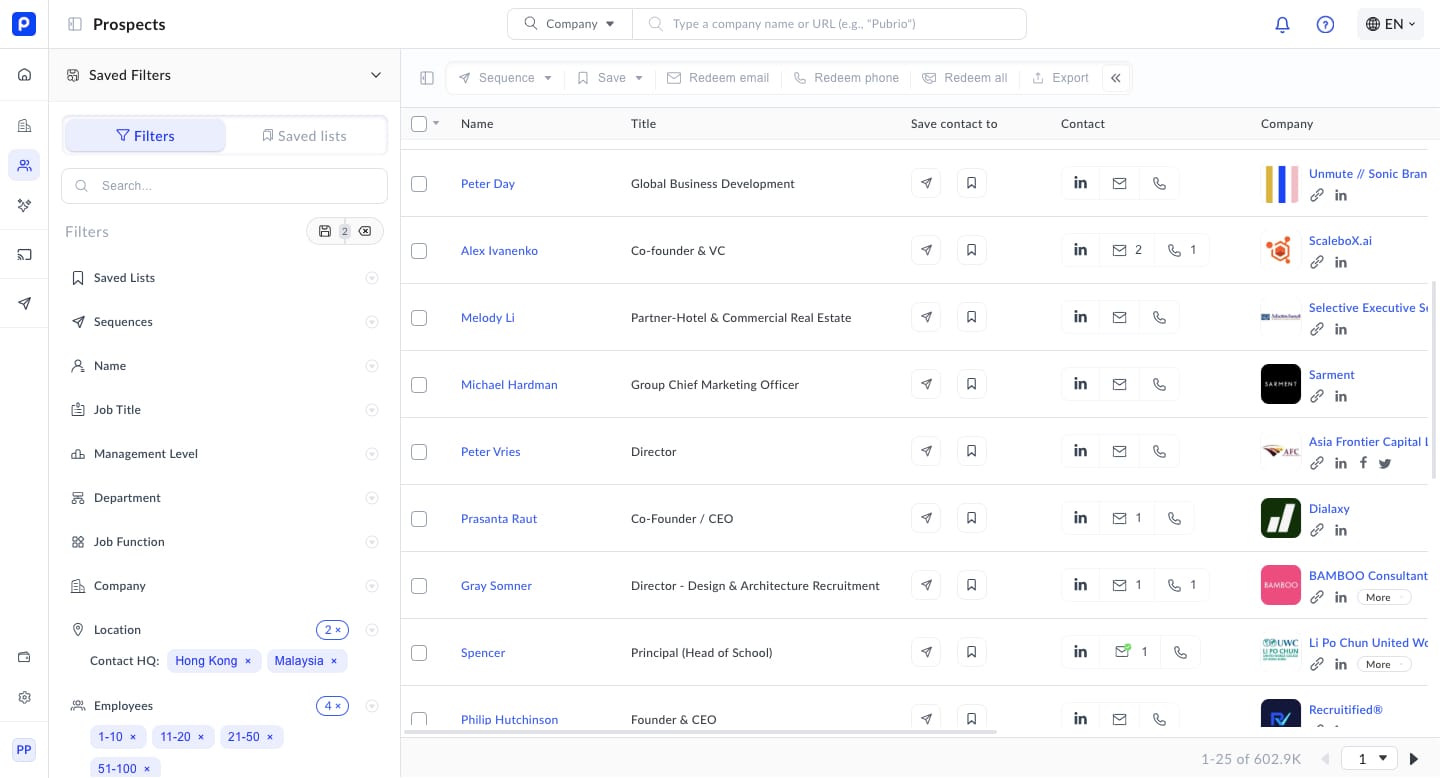
Automation only works when the underlying data is accurate. Pubrio enriches and segments leads using APAC‑specific signals such as:
- Region and country
- Industry vertical
- Language preference
- Buyer role and seniority
- Engagement likelihood
This ensures Twilio messages aren’t just sent — they’re sent intelligently, to the right decision‑makers, in the right markets, at the right time. For teams operating across multiple APAC countries, this eliminates the guesswork that slows down traditional outbound.
3. Higher Throughput With Far Less Effort
A manual SDR can make 60–80 calls a day. A Pubrio + Twilio SDR can trigger hundreds of automated touchpoints in the same amount of time.
This doesn’t replace the human — it amplifies them. Instead of spending hours dialing, SDRs focus on:
- Responding to warm replies
- Handling inbound interest
- Calling high‑intent leads
- Running demos
The result is more conversations, more meetings, and less burnout.
4. Personalization at Scale Without the Manual Work
Cold calling scripts rarely feel personal. Pubrio’s AI changes that by generating:
- Contextual first messages
- Localized phrasing for APAC markets
- Industry‑specific angles
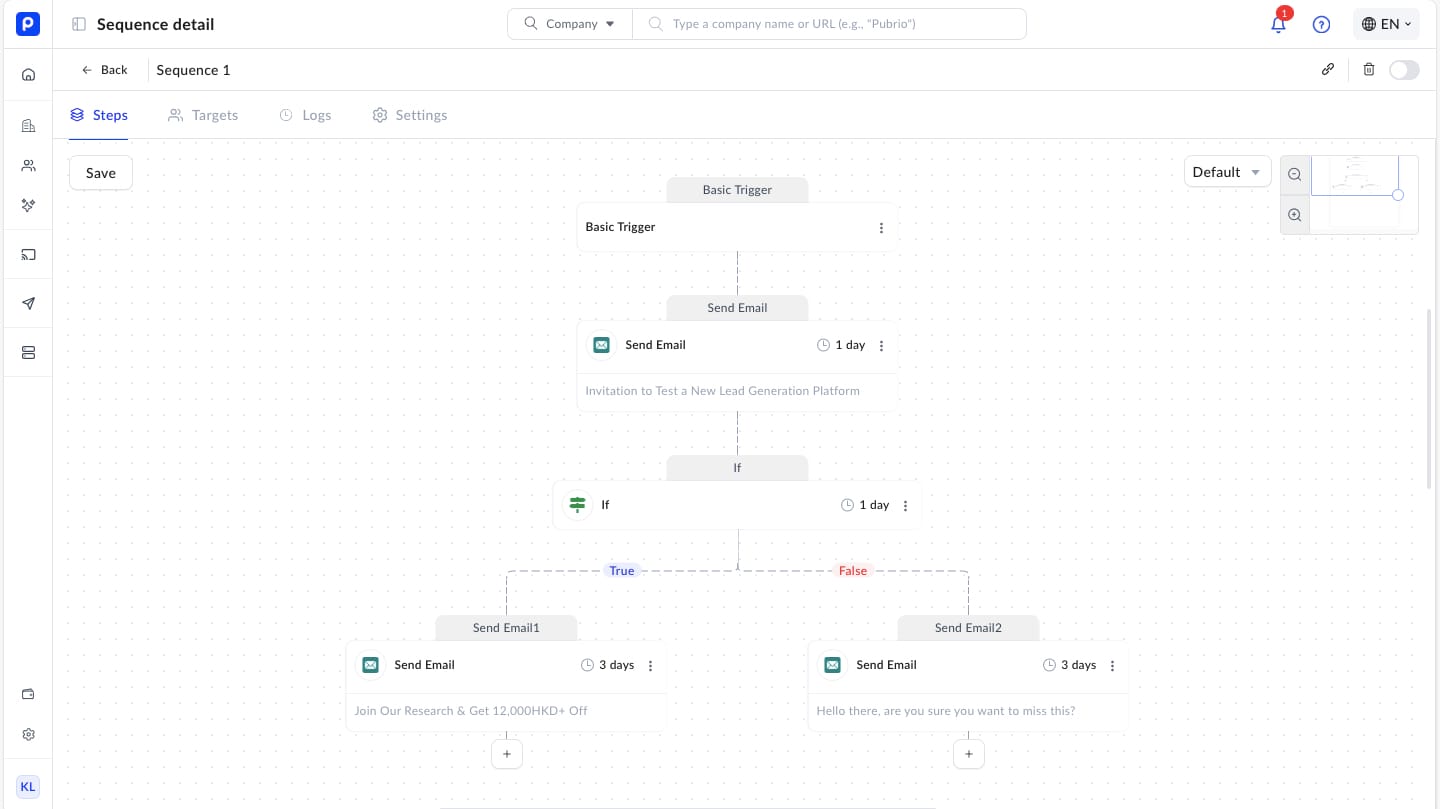
- Multi‑step sequences tailored to buyer roles
Twilio then delivers these messages instantly and reliably across channels. This creates the feeling of a handcrafted outreach — without requiring SDRs to write every message manually.
5. Built‑In Compliance, Timing, and Trust Signals
APAC is diverse, and each market has its own communication norms. Twilio helps teams stay compliant and respectful by enabling:
- Time‑zone‑aware sending
- Verified business messaging
- Local number routing
- Opt‑out management
This reduces friction and increases trust, especially in markets where unknown numbers are ignored.
Video Credit: What is Twilio and how does it work in 2025? By HowToHarbor
Actionable Tips: How APAC Teams Can Maximize Pubrio + Twilio
Start With a Warm Intro: Send a brief SMS or WhatsApp message before calling to boost answer rates.
Use Local Numbers: Local presence increases trust and improves engagement across APAC markets.
Build 3–5 Step Sequences: Combine intro → value → social proof → CTA → final nudge for higher replies.
Prioritize Warm Leads: Use Pubrio’s engagement signals to focus calls on prospects who open, click, or reply.
Reserve Calls for High‑Intent Prospects: Use voice only for decision‑makers or demo‑ready leads to protect SDR energy.
The Future of Outbound Belongs to Smarter Systems, Not Louder Calls
APAC buyers have evolved, and the teams that win today are the ones who adapt their outreach to match modern communication habits. Pubrio + Twilio gives sales teams a way to scale conversations without scaling headcount, blending automation, personalization, and regional intelligence into one seamless workflow. Instead of relying on cold calls that rarely connect, teams can build predictable, high‑intent pipelines powered by timely, relevant, and multichannel touchpoints. For B2B companies operating across APAC’s diverse markets, this shift isn’t just an upgrade — it’s a competitive advantage that compounds over time.