
Why Case Studies on LinkedIn Rarely Convert Leads
LinkedIn case studies are popular but rarely convert leads effectively. This post explores common pitfalls and offers proven tactics for APAC B2B marketers to enhance lead generation and sales outcomes.


Understand Why LinkedIn Case Studies Often Fail To Convert Leads And Learn Actionable Strategies To Boost B2B Customer Acquisition In APAC Markets
LinkedIn has become a powerhouse for B2B marketing and lead generation, with case studies commonly used to build credibility and showcase success. Yet, many marketers find that publishing case studies on LinkedIn alone doesn’t translate into meaningful lead conversions. Why is this happening, and how can APAC businesses overcome these limitations?
This post dives into the reasons case studies often fail on LinkedIn while providing clear strategies to turn social proof into real sales momentum—especially in APAC’s diverse and competitive markets.
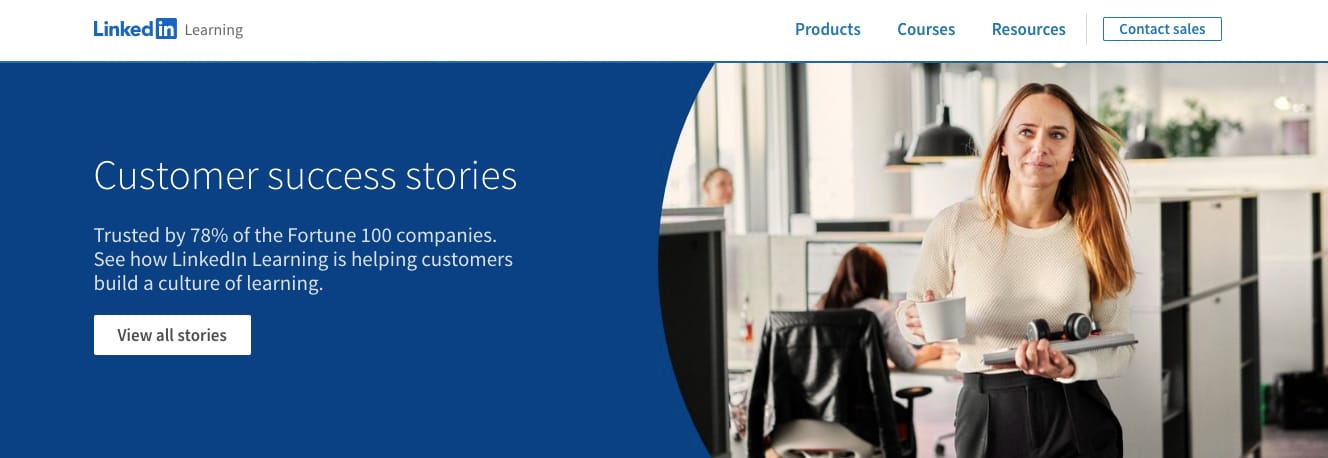
The Problem Of Why LinkedIn Case Studies Rarely Convert
Case studies are popular for building credibility on LinkedIn, but they frequently fail to drive actual lead conversions. Understanding why helps marketers design content and campaigns that turn passive views into active leads.
1. Lack of Personalization for Diverse Audiences
APAC’s market diversity means a generic case study often misses the nuanced needs of sub-segments. For example, a case study highlighting a fintech client’s growth might not resonate with manufacturing procurement teams in Southeast Asia. Without tailoring content to relevant industries, company sizes, or regional pain points, engagement fizzles. Personalization ensures messaging hits the right nerve and fosters stronger connections.
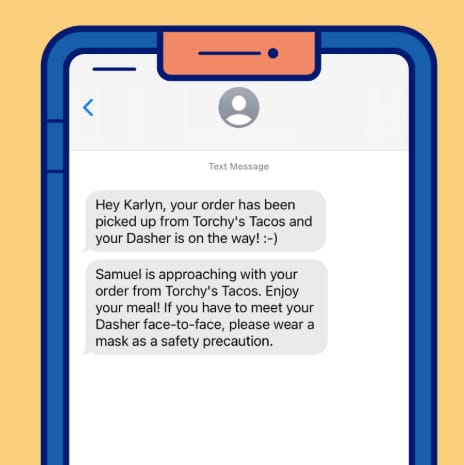
2. Passive Content Without Clear CTAs
Many case studies tell a great story but lack a clear call-to-action (CTA). A CTA is a directive prompting the reader to take the next step—whether downloading a detailed report, booking a demo, or contacting sales. Without a strong CTA, prospects may admire your success but not move forward, leading to lost opportunities. Effective CTAs guide readers intuitively toward engagement and keep the sales funnel active.
3. Overdependence on Brand-Centric Success
Case studies often focus too much on showcasing brand victories—how your company won awards, grew revenue, or deployed new tech. But buyers want to hear about their problems solved. For example, instead of “Our client increased profits by 20%,” say “Our client streamlined operations, reducing production downtime by 15%, leading to profitability.” This frames success in terms buyers care about: practical, tangible impact.
4. Poor Lead Capture Mechanisms
While many marketers post case studies freely on LinkedIn, these posts frequently lack integrated lead capture tools like gated content or direct LinkedIn lead gen forms. Without capturing visitor contact info and qualifying intent, converting viewers into actionable leads is difficult, leaving much of the engagement unrealized.
Proven Strategies For APAC Businesses To Make Case Studies Convert
Turning case studies into real lead-generating assets requires more than sharing success stories. It demands a focused strategy that combines tailored content, clear engagement pathways, and smart use of technology. In APAC’s diverse markets, these elements ensure your case studies resonate with the right audiences and guide them smoothly toward conversion. This section explores proven tactics that APAC businesses can use to maximize the impact and ROI of their LinkedIn case studies.
Craft Customized Stories for Target Personas
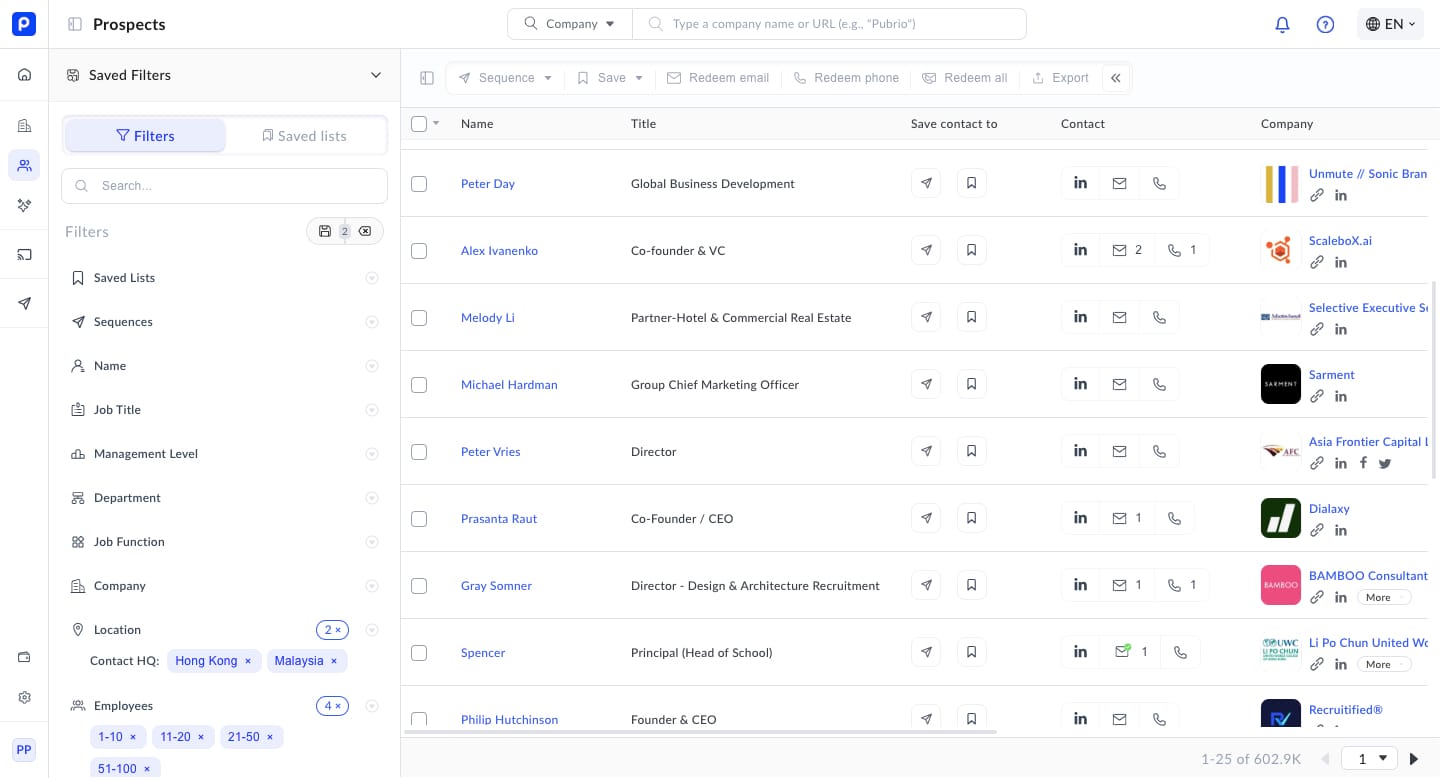
Effective case studies speak directly to the unique challenges of specific buyer personas. To craft such stories, start by deeply understanding your audience’s industries, company sizes, decision-making roles, and regional contexts—especially important in APAC’s diverse markets. Tailored messaging that addresses the specific pain points and goals of procurement managers, C-suite executives, or other key stakeholders resonates far more than generic success stories.
While LinkedIn Analytics offers useful engagement data, it only covers interactions within LinkedIn’s network and misses wider market signals, especially in APAC’s diverse business environment. Pubrio aggregates firmographic and behavioral data from over a billion company profiles across multiple sources, delivering deeper insights and more accurate audience segmentation. This enables you to tailor case studies that truly connect with specific decision-makers, such as procurement managers in manufacturing or C-suite executives in tech sectors, boosting lead conversion effectively.
Embed Compelling CTAs with Lead Capture
Call-to-action (CTAs) are critical in converting passive readers to active leads. Embed clear, outcome-oriented CTAs such as “Download the full APAC case study,” “Schedule your demo now,” or “Join our upcoming webinar.” These CTAs, paired with LinkedIn’s native Lead Gen Forms or gated download pages, minimize friction by pre-filling user information, increasing conversion rates substantially. This step creates a direct, frictionless path for lead qualification and sales follow-up.

Focus on Buyer-Centric Success
Reframe case study outcomes around specific client pain points and ROI. Example: instead of vague claims like “boosted sales,” say “helped client reduce lead time by 30%, saving $1M annually.” This specificity makes the story relatable and persuasive, showing prospects clear benefits aligned with their priorities. It also supports sales conversations and helps overcome objections by backing marketing claims with quantifiable results.
Video Credit: Focus on Customer Pain Points to Build your Sales By GSA Business Development
Leverage LinkedIn’s Automated Lead Gen Tools
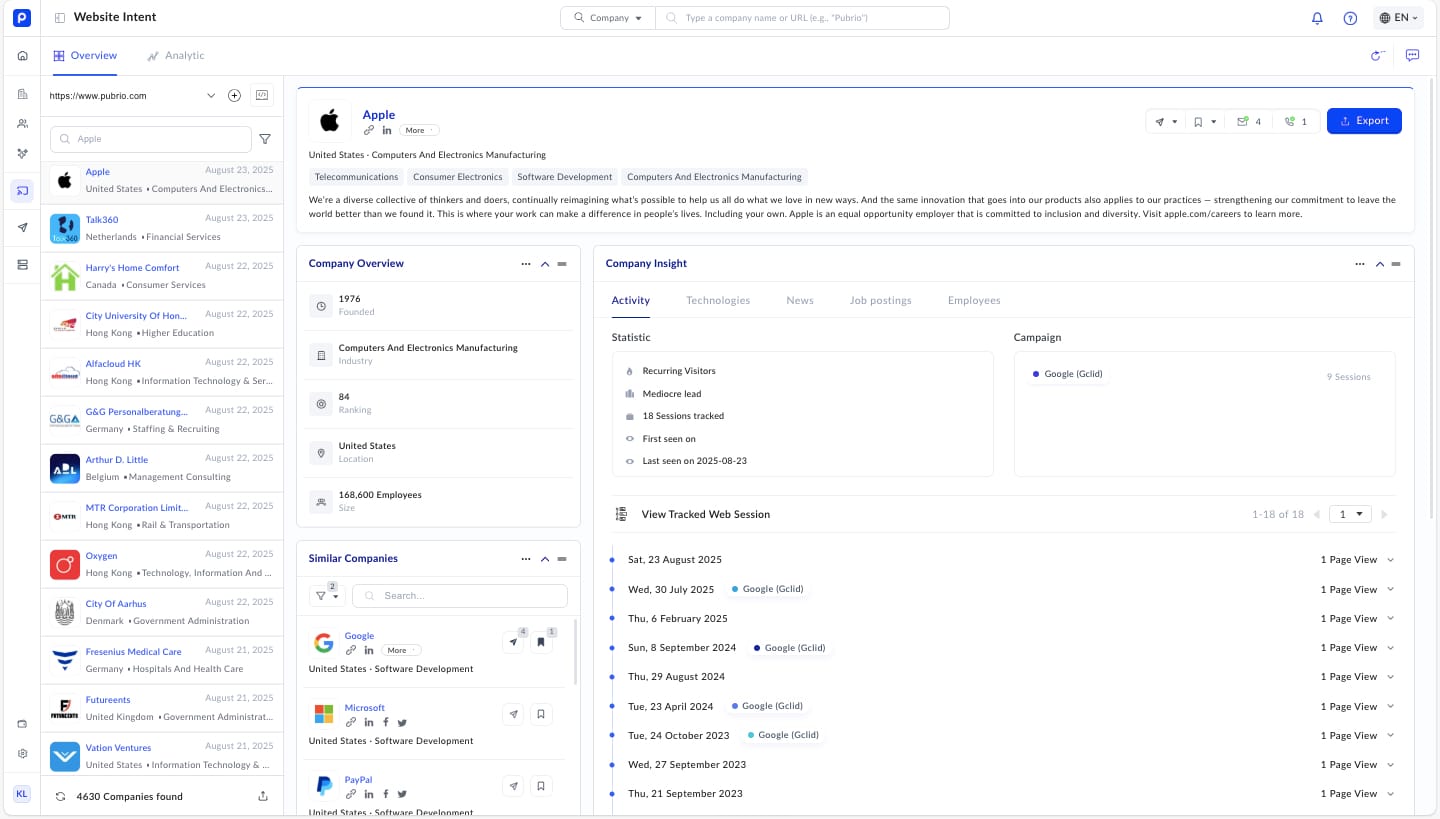
Go beyond organic posts by leveraging LinkedIn’s native lead generation forms and combining them with AI-enabled platforms like Pubrio. Pubrio automates lead qualification by enriching contact data and running multichannel outreach campaigns triggered by prospect engagement with your case study content. This means once someone interacts with your case study, Pubrio can help nurture them with relevant content and timely follow-up sequences—maintaining momentum and speeding up conversion without manual effort.
Why Personalized Content Outperforms Generic Case Studies on LinkedIn
- Tailored content connects more deeply with segmented buyer personas.
- Localized success stories resonate better across APAC’s diverse markets.
- Personalization combined with clear CTAs drives higher conversion rates.
Turn LinkedIn Case Studies Into Lead-Generating Assets
Case studies are powerful tools for building credibility and demonstrating success, but on LinkedIn, they rarely translate into leads without a targeted, strategic approach. By crafting personalized stories, embedding compelling CTAs, focusing on buyer-centric outcomes, and leveraging automation platforms like Pubrio, APAC businesses can transform case studies from passive content into active lead generators.
Embracing these proven strategies will help you engage the right prospects, accelerate conversions, and maximize your marketing ROI in the competitive APAC B2B landscape. Start turning your social proof into sales momentum today.