
Stop Chasing Leads: How Intent Signals Outsmart Cold Email
Cold email is losing its edge in APAC B2B markets. Intent signals—digital cues that reveal buyer readiness—are helping businesses replace guesswork with precision. Here’s how to stop chasing leads and start converting them.


Unlock Smarter B2B Growth in APAC—See How Intent Signals Replace Cold Email With Precise, Timely Lead Generation
Cold email once promised scale and efficiency, but in APAC’s diverse B2B markets it has become more of a burden than a breakthrough. What was once seen as a cost‑effective way to reach decision‑makers now often results in cluttered inboxes, frustrated prospects, and sales teams chasing shadows.
Today, buyers are increasingly immune to generic outreach, filtering out unsolicited pitches before they’re even read. With response rates in many industries dropping below 1%, SDRs spend countless hours on campaigns that yield little return. The fatigue is real—and it’s pushing businesses to rethink how they approach customer acquisition in APAC.

Why Intent Signals Matter in APAC B2B
Intent signals aren’t just another data point—they’re the bridge between buyer curiosity and sales readiness. In APAC’s fragmented markets, where buying cycles are longer and trust is harder to earn, signals help sales teams cut through the noise and focus on accounts that are truly in‑market.
- Precision targeting: Instead of blasting cold emails, teams can zero in on prospects actively researching solutions.
- Shorter sales cycles: Engaging buyers at the right moment reduces wasted touches and accelerates decision‑making.
- Higher ROI: Marketing budgets stretch further when campaigns are aligned with verified buyer intent.
- Trust building: Reaching out with relevance (e.g., referencing a webinar they attended) positions your brand as helpful, not intrusive.
Video Credit: Identifying Intent Signals for SDRs By Tenbound
The Cold Outreach Trap in APAC
Cold outreach has long been the default tactic for sales teams trying to break into new accounts. The logic is simple: send enough emails, and eventually someone will respond. But in APAC’s complex B2B landscape, this approach is increasingly ineffective. The region’s diversity, buyer expectations, and sheer volume of digital communication make cold email campaigns more of a drain than a driver of growth.
Cultural Diversity
APAC is not a single market—it’s a mosaic of cultures, languages, and business norms. A message that resonates in Singapore may fall flat in Japan, while what works in India might feel intrusive in Australia. Generic templates fail to capture these nuances, leaving prospects disengaged. For example, decision‑makers in Japan often value formality and relationship‑building, while buyers in Southeast Asia may prioritize speed and practicality. Without tailoring, outreach risks being dismissed as irrelevant.
Buyer Skepticism
Decision‑makers across APAC are increasingly wary of unsolicited pitches. Regulatory environments in industries like finance, healthcare, and technology heighten sensitivity to cold outreach, making buyers cautious about engaging with unknown vendors. Moreover, years of exposure to mass email campaigns have conditioned executives to ignore or delete messages that don’t demonstrate clear value. This skepticism means that even well‑intentioned cold emails struggle to break through.
Data Overload
Sales development representatives (SDRs) are drowning in data. Between purchased lists, CRM entries, and marketing automation outputs, teams spend more time sorting through noise than engaging with qualified prospects. The result is wasted effort: hours spent chasing leads that were never in‑market to begin with. In APAC, where buyer journeys are often longer and involve multiple stakeholders, this inefficiency compounds quickly, stretching sales cycles and frustrating teams.
Turning Signals into Strategy
Intent signals are the digital clues buyers leave behind—search queries, content downloads, or webinar attendance—that reveal when they’re actively exploring solutions. In APAC, where buyer journeys are longer and markets more fragmented, these signals are often the difference between chasing leads blindly and engaging prospects with precision.
Global platforms like HubSpot, ZoomInfo, and Apollo.io have made intent data more accessible, while enterprise leaders such as 6sense and Demandbase set the benchmark for advanced adoption. Yet these tools often lack the nuance needed for APAC’s diverse business environment.
This is where Pubrio makes the difference. By tailoring workflows to local markets, Pubrio ensures that intent signals aren’t just collected—they’re interpreted in ways that reflect cultural differences, regional buying behaviors, and industry‑specific patterns.
How Pubrio Makes Signals Work
- Local relevance: Surfaces APAC‑specific keywords, industries, and buyer behaviors so outreach feels regionally authentic.
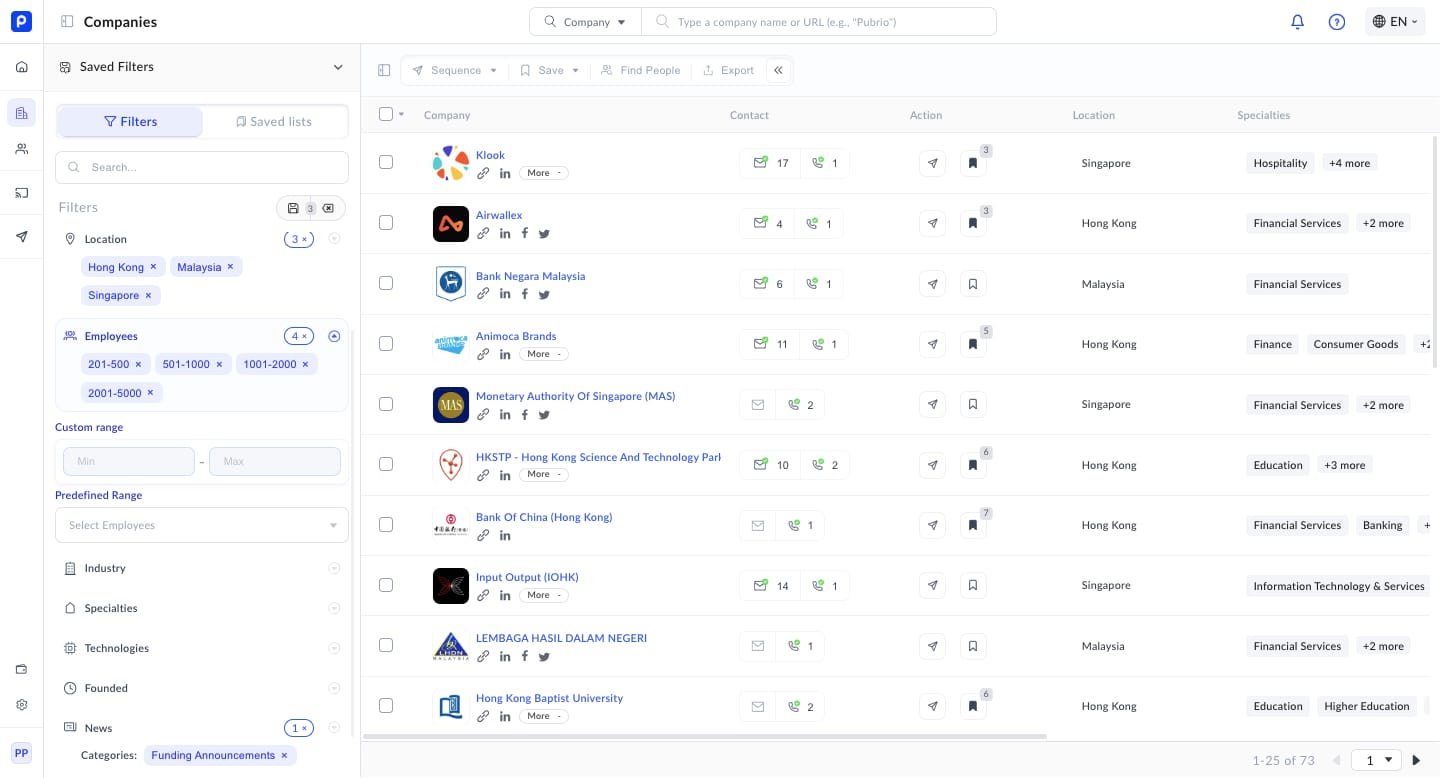
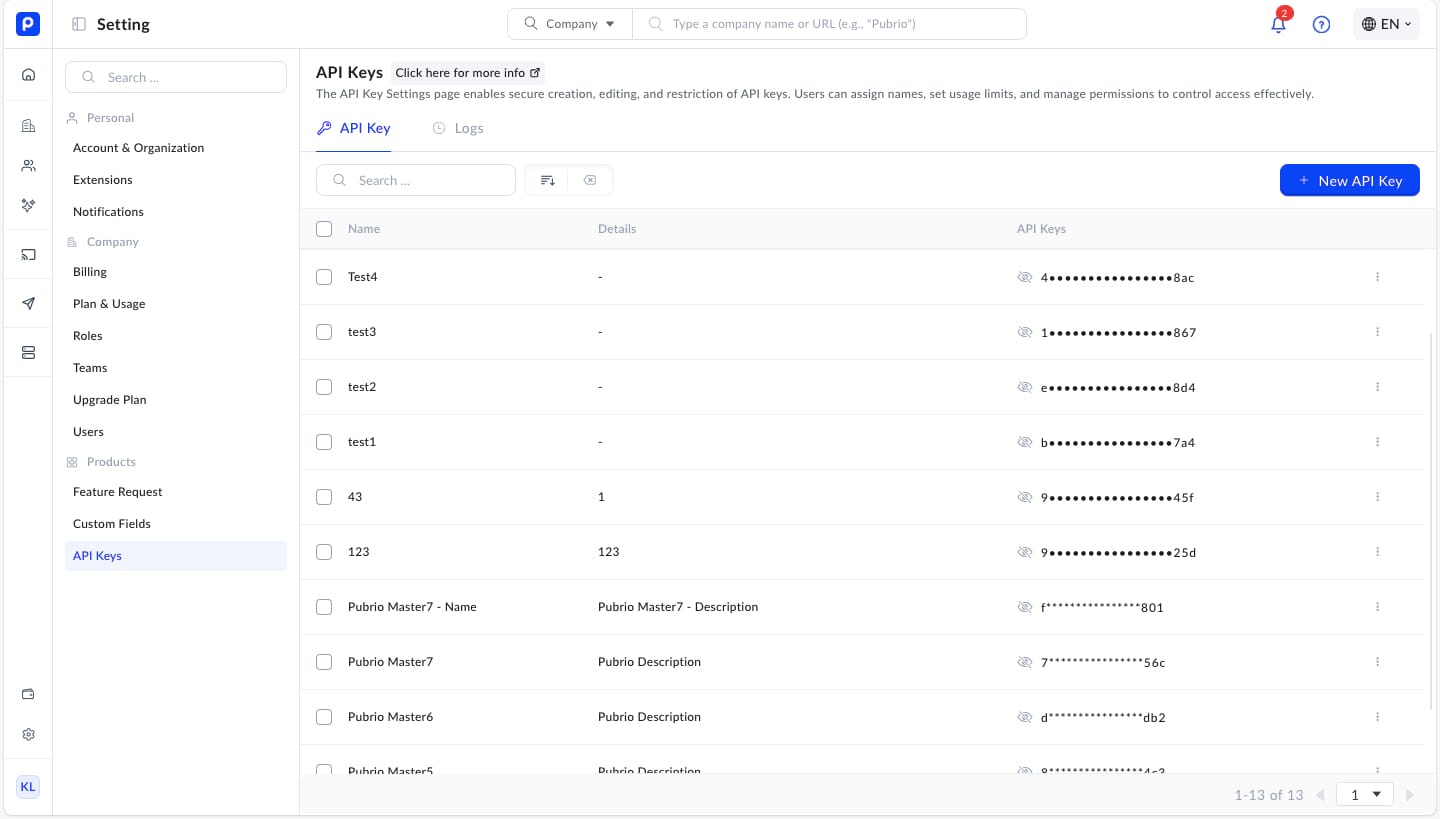
- Timely engagement: CRM and API integrations trigger outreach when prospects show readiness, like downloading a resource or attending an event.
- Smarter prioritization: AI‑driven scoring enriches lead data and highlights accounts with multiple signals, helping teams focus on those most likely to convert.
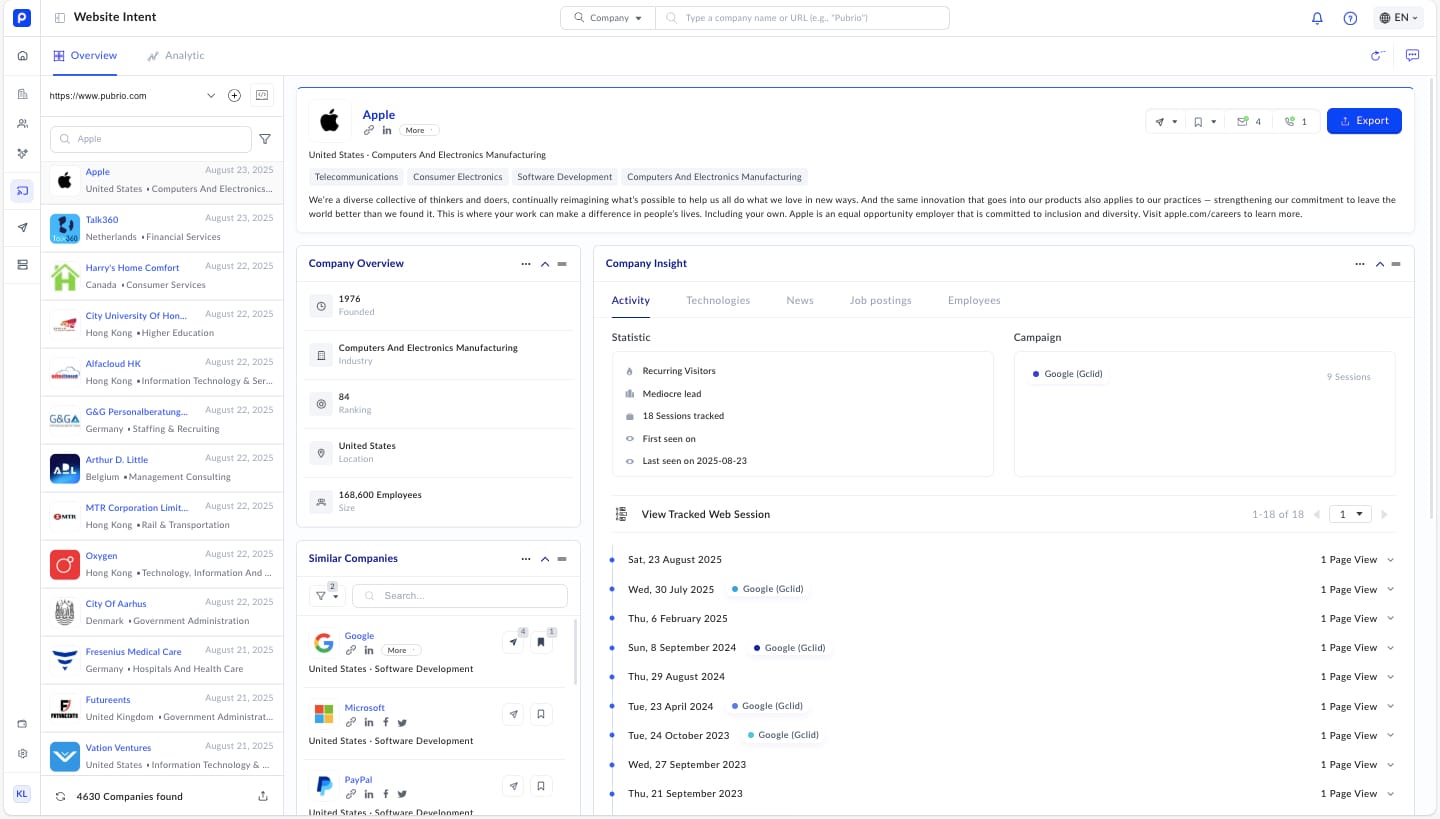
Pubrio turns scattered buyer activity into clear opportunities. For APAC B2B teams, it’s not just about measuring signals—it’s about making them meaningful, engaging at the right moment, and building trust that leads to lasting growth.
Fast Ways to Apply Intent Signals
- Start with search queries and content downloads.
- Align outreach with buyer readiness.
- Use scoring to focus on high‑potential accounts.
From Signals to Success
Intent signals are reshaping how APAC B2B teams approach growth. Instead of chasing leads blindly, businesses can now engage prospects with precision, shorten sales cycles, and build trust that lasts. The smarter path forward isn’t about sending more emails — it’s about listening to buyer behavior and acting when the timing is right.