
Review: ZoomInfo vs. Lusha for APAC Sales Prospecting
ZoomInfo and Lusha are two leading platforms for B2B prospecting. In APAC, where buyer journeys are complex and data accuracy is critical, choosing the right tool can make or break your pipeline.


Explore How ZoomInfo and Lusha Stack Up for APAC B2B Prospecting, Accuracy, Adoption, and Actionable Insights
Sales prospecting is often described as the toughest stage of the sales cycle, with 42% of salespeople worldwide citing it as their biggest challenge. The task demands not only finding the right contacts but also reaching them at the right time with relevant messaging.
In APAC, this challenge is amplified by fragmented markets, diverse languages, and longer buying cycles. Prospecting tools like ZoomInfo and Lusha aim to ease the burden, but their effectiveness depends heavily on how well they adapt to the unique complexities of the region.
The Complex Reality of Prospecting in APAC
Sales prospecting in APAC is uniquely challenging compared to other regions. While global teams often rely on standardized datasets and outreach playbooks, APAC’s diversity demands a more nuanced approach.
- Data fragmentation
Reliable contact data is difficult to source consistently across multiple countries. Each market has its own data providers, regulations, and levels of digital maturity. For example, Japan and South Korea have stricter privacy frameworks, while emerging markets in Southeast Asia may lack centralized business directories. This makes building a clean, unified prospecting database far more complex than in North America or Europe. - Cultural nuance
Outreach strategies that work in one APAC market may fail in another. In Singapore, concise and professional messaging is valued, while in India, relationship‑building and longer conversations often drive success. Japan emphasizes formality and trust, whereas Australia leans toward directness and efficiency. Without adapting to these cultural differences, prospecting campaigns risk being ignored or even damaging brand perception. - Budget pressure
Many APAC firms, especially SMEs, operate under tighter budgets. They need affordable solutions that still deliver accurate data. Investing in enterprise‑grade prospecting platforms can be prohibitive, leading teams to seek lighter, more cost‑effective tools. The trade‑off is often between affordability and data quality, which directly impacts conversion rates.
According to HubSpot’s APAC Sales Trends Report (2023), efficiency and data accuracy are the top priorities for regional sales leaders, underscoring the importance of tools that balance cost with reliability.
Comparing ZoomInfo and Lusha in APAC
Here we take a closer look at ZoomInfo vs. Lusha, two of the most widely used prospecting platforms, and how they perform in APAC’s unique business environment. Choosing the right tool isn’t just about features—it’s about fit. With fragmented markets, diverse buyer behaviors, and varying levels of digital maturity, each platform delivers different strengths depending on scale and context.
ZoomInfo
- Strengths: Enterprise‑grade platform with deep global coverage, advanced segmentation, and intent signals.
- Adoption in APAC: Favored by multinational corporations and larger enterprises that need breadth and depth.
- Limitations: Higher cost and complexity can overwhelm smaller teams, especially those without dedicated data operations.
Video Credit: ZoomInfo Global Data: 6X More Business Intelligence for International Growth By ZoomInfo
Lusha
- Strengths: Affordable, easy to use, Chrome extension for quick contact access, and a growing dataset (100M+ verified profiles by 2025, up 40% from 2023).
- Adoption in APAC: Popular among startups and mid‑market firms seeking speed and simplicity.
- Limitations: Smaller dataset and less robust verification compared to ZoomInfo, which can affect accuracy in fragmented APAC markets.
ZoomInfo vs. Lusha: APAC Sales Prospecting Comparison
| Feature / Factor | ZoomInfo | Lusha |
|---|---|---|
| Strengths | Enterprise‑grade platform, deep global coverage, advanced segmentation, intent signals | Affordable, easy to use, Chrome extension, growing dataset (100M+ verified profiles by 2025) |
| Adoption in APAC | Strong among multinational corporations and larger enterprises | Popular among startups and mid‑market firms seeking speed and simplicity |
| Data Accuracy | Robust verification, stronger consistency across global markets | Verification improving, but smaller dataset can affect accuracy in fragmented APAC markets |
| Ease of Use | Comprehensive but complex; requires onboarding and dedicated data teams | Lightweight, intuitive interface; quick access via browser extension |
| Cost Considerations | Higher cost, suited for enterprises with larger budgets | Lower cost, attractive for SMEs and scaling teams |
| Regional Fit | Stronger for global campaigns; may need local enrichment for APAC nuance | Flexible for quick prospecting; benefits from layering with regional solutions |
| Best Use Case in APAC | Enterprises needing depth, segmentation, and intent data | SMEs/startups needing speed, affordability, and simplicity |
Practical Strategies for APAC Prospecting Success
Prospecting in APAC requires more than choosing between ZoomInfo and Lusha. Success comes from combining global platforms with region‑specific workflows, automation, and enrichment. Pubrio strengthens each of these strategies by delivering accurate data, contextual insights, and seamless integration designed for APAC realities.
- Match tool to scale
Enterprises may lean on ZoomInfo’s depth, while SMEs often prefer Lusha’s simplicity. For mid‑market teams, Pubrio helps bridge the gap by offering enrichment and intent signals tailored for APAC, ensuring prospecting stays efficient without losing relevance. - Prioritize accuracy
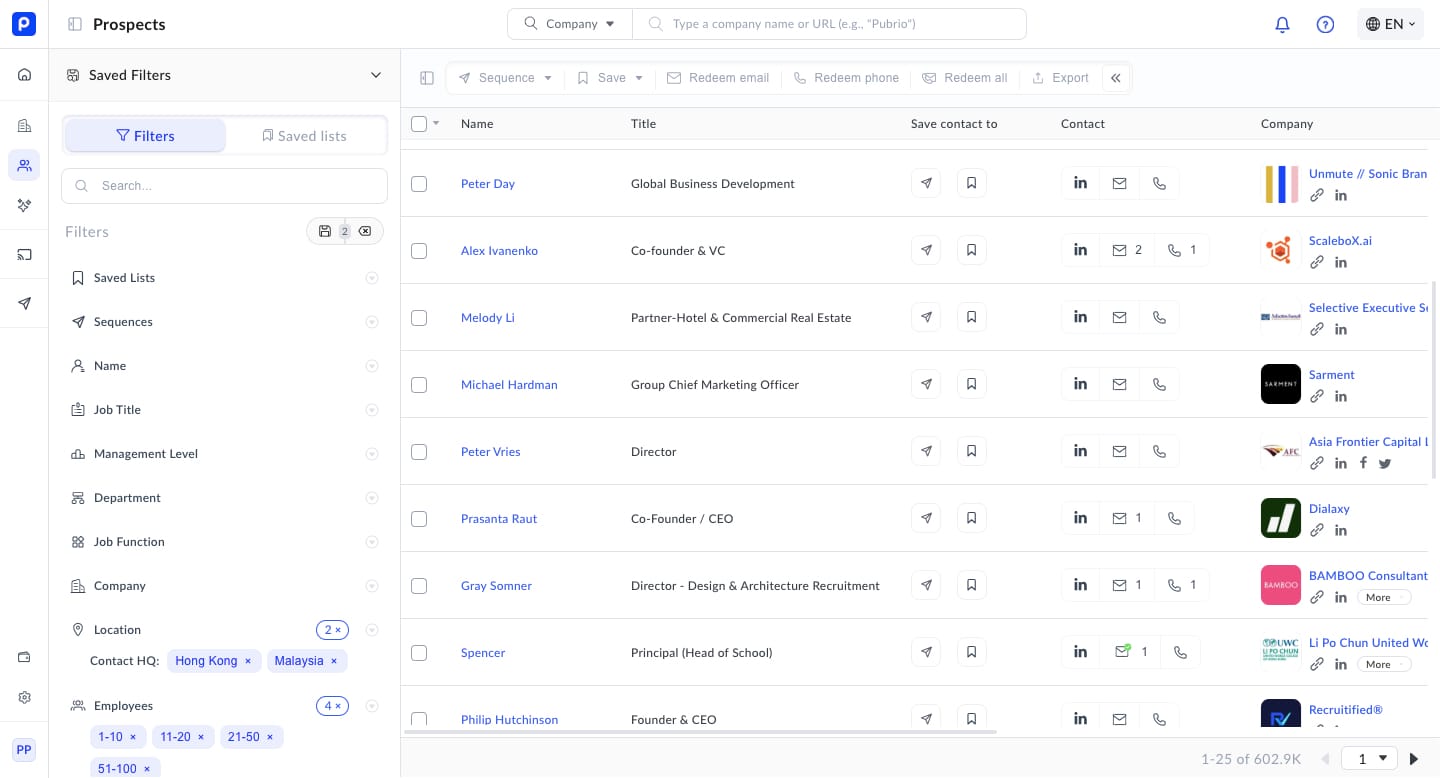
Inconsistent contact data is one of APAC’s biggest hurdles. Pubrio’s enrichment endpoints and people search strengthen accuracy by layering verified regional data on top of global datasets, reducing bounce rates and wasted outreach.
- Layer automation
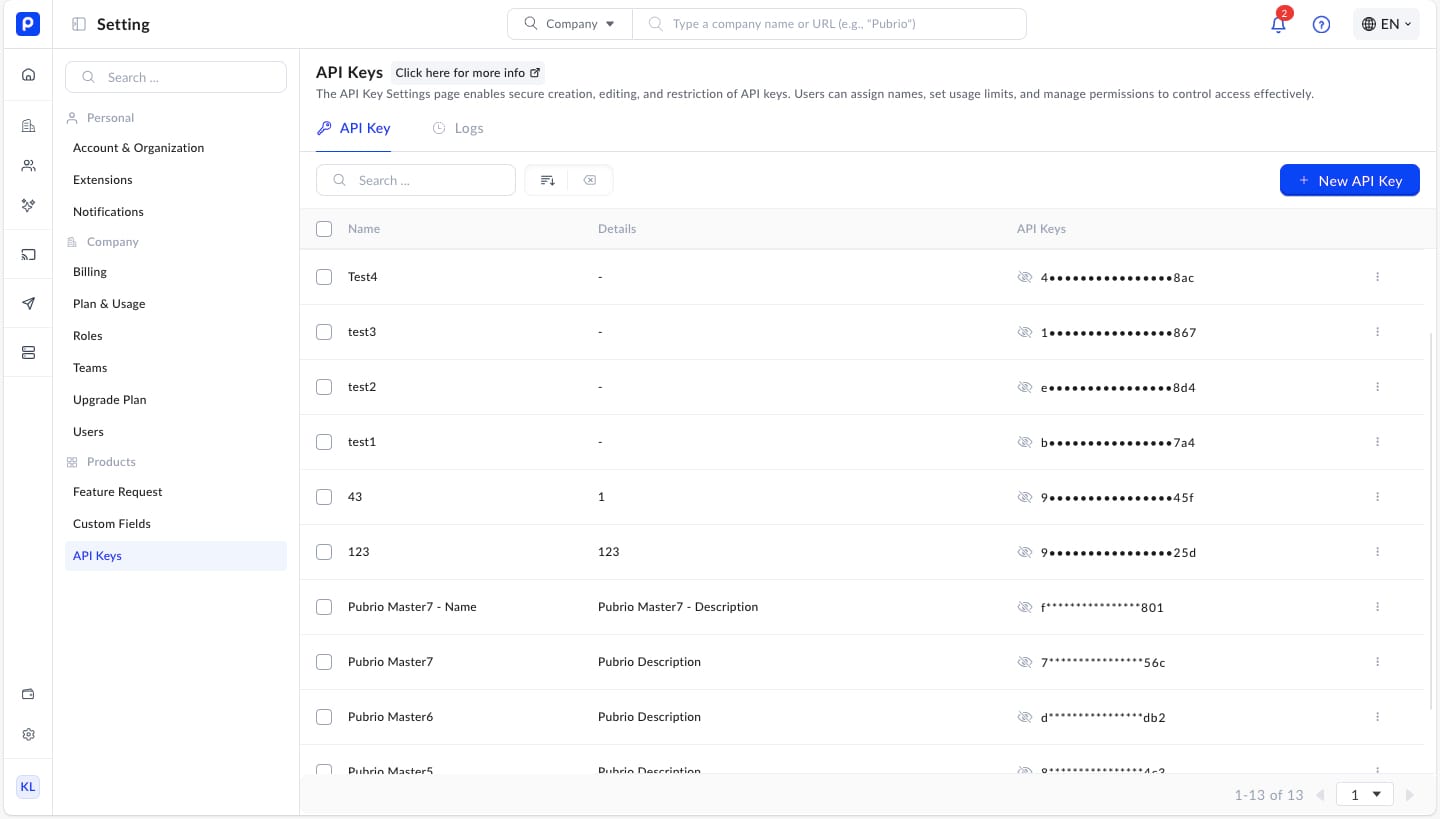
Prospecting tools become more powerful when connected to CRM workflows. Pubrio integrates with CRMs and APIs to trigger outreach when buyers show readiness — such as downloading a resource or attending a webinar — ensuring signals are acted on at the right time.
- Test regionally
Pilot campaigns in markets like Singapore, India, or Japan often reveal gaps in global datasets. Pubrio’s APAC‑specific insights make these tests more meaningful, helping teams adapt outreach strategies to local buyer behaviors and compliance requirements. - Bridge global with local
Global platforms provide scale, but APAC requires nuance. Pubrio interprets signals in context, factoring in cultural differences, regulatory frameworks, and industry‑specific patterns. This ensures prospecting strategies are not only scalable but also regionally authentic.
Prospecting success in APAC isn’t just about choosing between global platforms. It’s about ensuring that signals are accurate, acted on at the right time, and interpreted in the right context. While ZoomInfo and Lusha provide valuable foundations, regional solutions like Pubrio strengthen every step of the process — from data enrichment to workflow automation — so sales teams can move beyond raw contacts and build meaningful, trust‑based connections across diverse APAC markets.
Quick Wins for APAC Prospecting
- Start small: Test one tool in a single market before scaling.
- Automate: Connect prospecting data with CRM workflows.
- Review monthly: Track conversion rates to measure ROI.
Choosing Smarter Paths in APAC Prospecting
ZoomInfo and Lusha both bring valuable strengths to the table, but APAC’s complexity demands more than a one‑size‑fits‑all solution. Success comes from combining global reach with regional accuracy, layering automation with cultural nuance, and testing strategies across diverse markets.
By enriching data, interpreting signals in context, and integrating seamlessly with workflows, regional solutions ensure prospecting isn’t just about finding contacts, it’s about building trust and driving meaningful growth. For APAC sales teams, the smarter path forward is not choosing one tool over another, but designing a prospecting strategy that balances scale with local relevance.