
Is LinkedIn Enough? Why Multichannel Wins in APAC Lead Gen
LinkedIn is powerful, but in APAC's diverse markets, multichannel lead generation outperforms single-platform reliance. Unlock insights and tactics to expand reach and increase conversions.


Explore Why Relying Solely On LinkedIn Falls Short And How Multichannel Strategies Fuel APAC B2B Lead Generation Success
LinkedIn is often seen as the cornerstone of B2B lead generation, especially in APAC’s rapidly growing professional markets. Its strength lies in its vast user base and precise targeting capabilities, enabling sales and marketing teams to reach decision-makers with tailored messaging.
However, the reality for many companies is that LinkedIn alone does not suffice. APAC’s diversity in culture, digital adoption, and communication preferences means buy cycles and buyer engagement vary widely. Decision-makers might be active on alternative platforms or prefer direct, personal communications not suited to LinkedIn's environment.
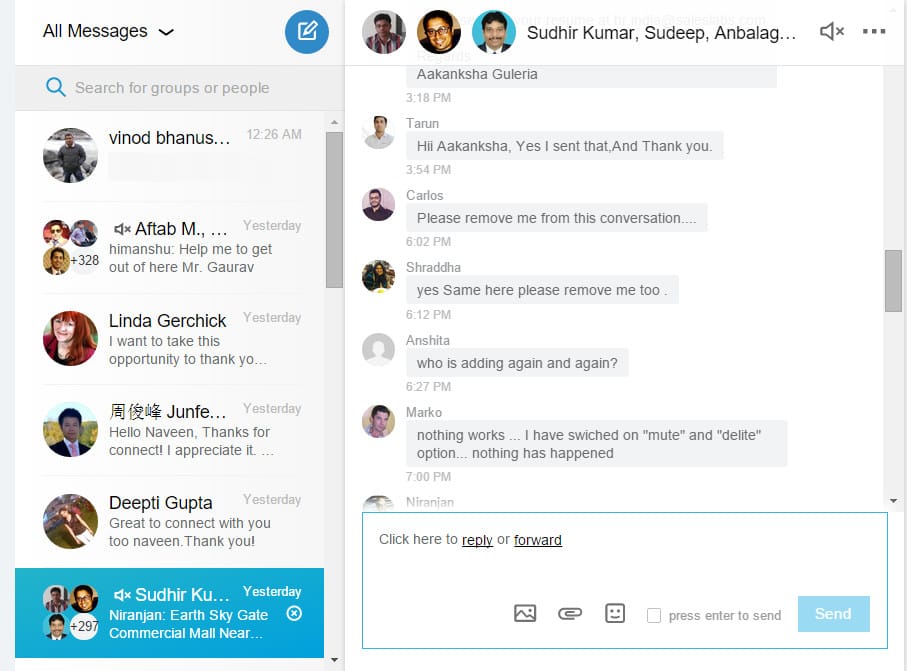
Single-Channel Reliance Stalls Growth
Relying solely on LinkedIn for B2B lead generation in APAC might seem like a straightforward strategy due to its wide professional network and targeting capabilities. However, this single-channel approach poses several significant challenges that can stall a company’s growth and limit its market potential. These challenges become even more pronounced in the diverse and fragmented APAC market where buyer preferences and behaviors vary dramatically.
Challenges of LinkedIn-Only Lead Generation:
- Audience Saturation: With so many advertisers and sales teams targeting the same LinkedIn users, prospects are bombarded with similar messages, leading to ad fatigue and disengagement. Over time, even well-crafted campaigns can struggle to stand out.
- Platform Limitations: LinkedIn’s algorithm controls how often and to whom content and messages are shown. This constraint limits outreach frequency and the personalization depth that sales teams can achieve, restricting their ability to build meaningful, tailored interactions.
- Cultural and Regional Diversity: APAC encompasses countries with distinct digital ecosystems. In markets like China, Japan, and Southeast Asia, local platforms such as WeChat, LINE, or KakaoTalk dominate communication, making LinkedIn’s reach limited. Without engaging buyers on their preferred channels, leads may remain cold or unreachable.
- Lengthy Sales Cycles: APAC B2B sales often involve multiple stakeholders and lengthy decision-making processes, necessitating repeated, varied touchpoints over time. LinkedIn alone is rarely sufficient to nurture leads through these complex journeys efficiently.
- Risk of Platform Dependency: Businesses placing all their bets on LinkedIn are vulnerable to sudden changes in platform policies, algorithms, or pricing. Shifts can disrupt lead flow dramatically, putting pipeline health and revenue forecasts at risk.
Case Example: A software company attempting to break into the Japanese market found its LinkedIn-focused campaigns ineffective. Their prospects favored communication on LINE and SMS, channels where the company had little presence, leaving potential leads cold despite persistent LinkedIn outreach.
Multichannel Strategy is Critical — and How to Execute It
To successfully navigate APAC’s varied markets and buyer behaviors, companies must adopt a multichannel lead generation strategy that extends well beyond LinkedIn. This approach broadens reach, deepens engagement, and increases the likelihood of lead conversion by connecting with prospects where they are most receptive.
Core Multichannel Elements:
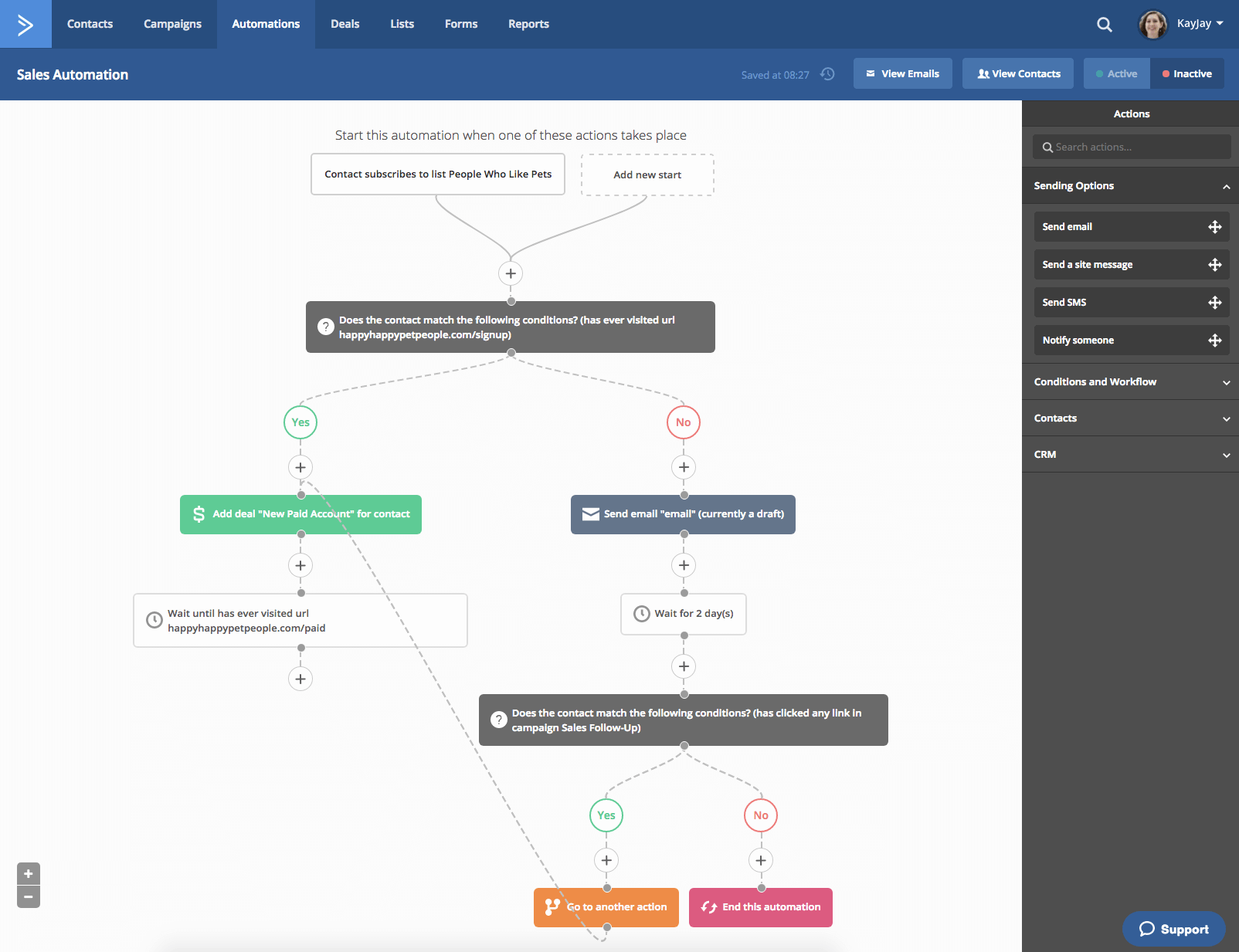
- Email Marketing: Despite the rise of new platforms, email remains the most effective channel for nurturing leads over time. When connected with CRM data, personalized email sequences deliver relevant content and follow-ups that steadily warm prospects.
- SMS & Mobile Messaging: APAC’s mobile-first culture means buyers are highly responsive to timely and concise SMS or app-based messages via LINE, WhatsApp, or native SMS. These channels offer real-time engagement and high open rates, especially in Southeast Asia and mobile-centric markets.
- Localized Social Networks: Understanding and using dominant local platforms is key in APAC. Apps like WeChat in China or KakaoTalk in South Korea offer unique embedded features like commerce and direct messaging, ideal for personalized lead interactions in those regions.
- Cold Calling & Virtual Meetings: Despite digital advances, direct interpersonal communication remains essential. Cold calls and video meetings help establish trust and rapport, break through digital noise, and address complex buyer concerns quickly.

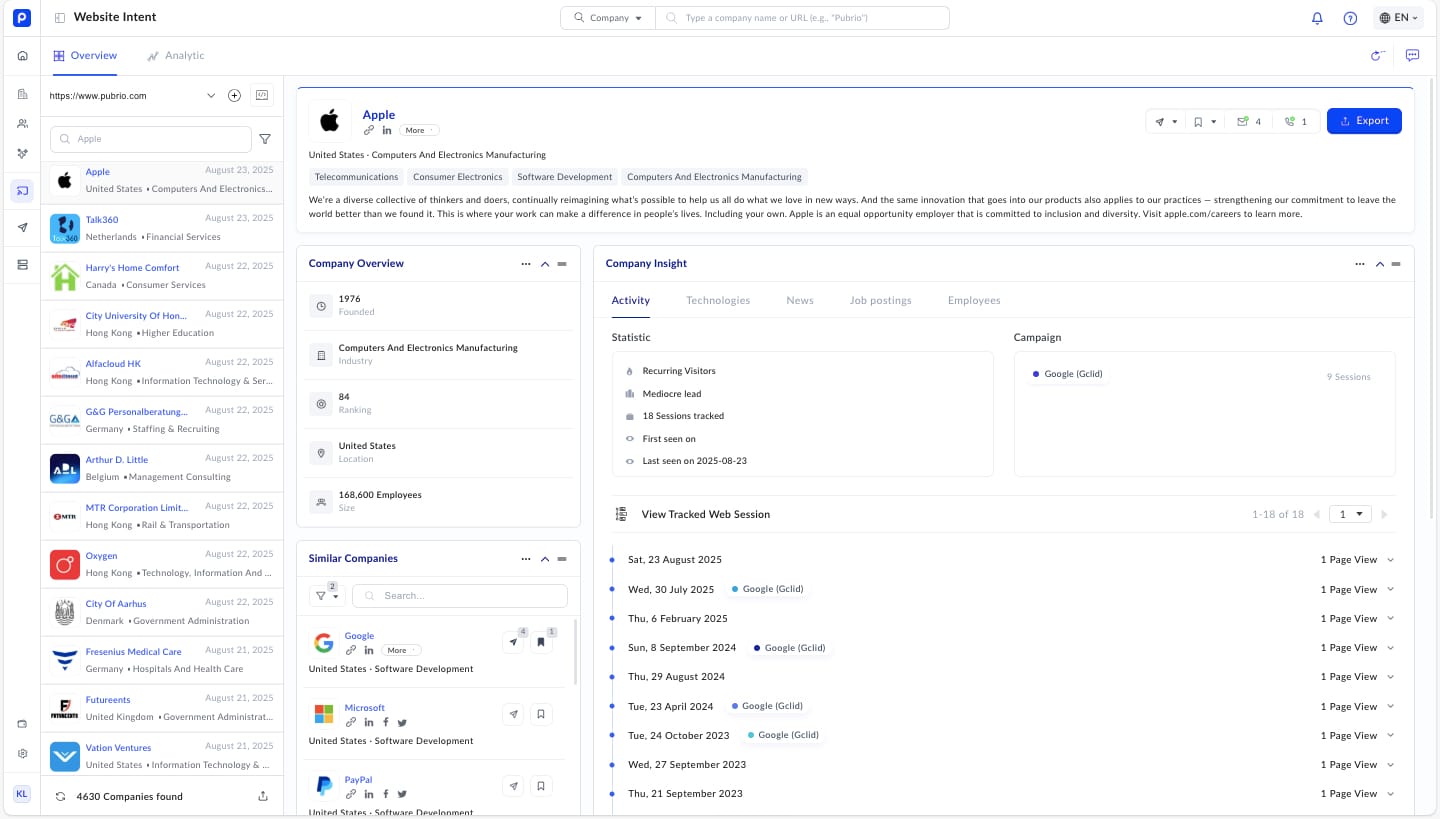
- Automated Outreach Platforms (e.g., Pubrio): Leveraging AI-powered platforms automates personalized messaging across multiple channels with precision. These tools provide dynamic lead scoring, behavior tracking, and real-time analytics, optimizing outreach and accelerating pipeline velocity.
Best Practices for Multichannel Execution:
- Understand Buyer Preferences: Conduct market research to determine the favored digital and offline channels within each APAC geography or vertical. Tailor your channel mix accordingly.
- Personalize Messaging: Use AI segmentation to tailor both content and timing for each channel, ensuring relevance and resonance with diverse buyer personas.
- Automate Sequences: Employ automation tools to schedule consistent communications while freeing sales teams to engage in high-value conversations.
- Centralize Data and Analytics: Maintain a unified dashboard to monitor performance across channels, enabling continuous optimization and rapid response to market shifts.
- Align Sales and Marketing: Break down internal silos with shared KPIs and coordinated workflows for consistent lead nurturing and handoffs.
Challenges of Relying Solely on LinkedIn for Outreach
- High audience saturation causes prospects to tune out repetitive LinkedIn messages, resulting in ad fatigue and reduced engagement.
- LinkedIn’s algorithm limits message frequency and restricts deep personalization needed for B2B nurturing.
- APAC’s diverse markets favor local platforms like WeChat, LINE, and KakaoTalk, where LinkedIn reach is limited.
- Long B2B sales cycles require multiple touchpoints across channels, which LinkedIn alone cannot provide.
- Overdependence on LinkedIn risks sudden disruption from platform changes that impact lead flow and pipeline stability.
Moving Beyond LinkedIn, Thriving with Multichannel Mastery
No single platform holds the key to APAC’s complex B2B sales landscape. LinkedIn remains valuable but must be part of a wider multichannel ecosystem. By integrating diverse communication channels—backed by AI and automation platforms like Pubrio—businesses can unlock scalable, personalized lead generation that accelerates pipeline growth and drives sustainable revenue.