
5 Lead Scoring Mistakes Top Sales Teams Make Every Day
Lead scoring is meant to help sales teams prioritize prospects, but common mistakes often derail pipelines. In APAC, where buyer journeys are complex, avoiding these pitfalls is critical to building trust and driving conversions.


Discover The Top 5 Lead Scoring Mistakes Sales Teams Make Daily and How to Avoid Them
Lead scoring has become the backbone of modern B2B customer acquisition, helping sales teams prioritize prospects with the highest potential to convert. When applied effectively, it streamlines workflows, sharpens focus, and accelerates revenue growth. But when misapplied, it can waste valuable time, erode trust with buyers, and stall the sales pipeline.
In APAC, the stakes are even higher. Markets are fragmented, buyer behaviors differ across countries, and decision‑making processes often involve multiple stakeholders. A scoring model that works in one region may fail in another, making precision and adaptability essential. For sales teams operating in APAC, avoiding common lead scoring mistakes isn’t just about efficiency — it’s about sustaining credibility and building long‑term growth.
Video Credit: Lead Scoring EXPLAINED: Master the Art of Prioritizing Prospects and Closing More Sales By WebFX
The Hidden Pitfalls of Lead Scoring in APAC
Lead scoring is meant to help sales teams prioritize prospects and focus on those most likely to convert. When applied correctly, it sharpens efficiency, accelerates pipelines, and ensures resources are directed toward high‑value opportunities. But when misapplied, it can waste time, misclassify leads, and erode trust with potential buyers.
In APAC, these challenges are magnified by fragmented markets, diverse buyer behaviors, and complex decision‑making structures. Precision and adaptability are essential, and overlooking them can stall growth. Below, we’ll explore the five most common mistakes top sales teams make every day — and how to avoid them with smarter, context‑driven strategies.
Mistake 1: Overvaluing Demographics
Sales teams often assign high scores based solely on job titles or company size. While these factors provide a useful starting point, they don’t guarantee buying intent. A large enterprise may look attractive on paper, but if the contact isn’t actively exploring solutions, the lead is unlikely to convert.
Scenario: A team prioritizes every “Director” in their CRM, only to discover that many of these contacts have no budget authority. Meanwhile, lower‑ranked managers who actually control purchasing decisions are overlooked.
Tip: Balance demographic scoring with behavioral signals such as webinar attendance, product trial requests, or repeated engagement with pricing content.
Video Credit: What is Demographic Segmentation? By Two Teachers
Mistake 2: Ignoring Regional Nuance
APAC is not a single, uniform market. Scoring models designed for North America or Europe often fail to capture local buying behaviors. In Japan, decisions are typically made by consensus across committees, while in India, speed and relationship‑building drive outcomes.
Tip: Customize scoring models by market. Segment APAC into clusters (e.g., Southeast Asia, East Asia, South Asia) and adjust scoring weights to reflect local decision‑making styles.
Mistake 3: Treating All Engagement Equally
Not all engagement signals carry the same weight. A prospect downloading a pricing guide or requesting a demo indicates stronger intent than someone casually reading a blog post. Yet many scoring models assign equal points to both actions, diluting accuracy.
Scenario: A lead who clicks “About Us” once is scored the same as another who downloads a detailed case study. The result? Sales teams waste time chasing low‑intent leads while missing high‑value opportunities.
Tip: Differentiate between high‑intent and low‑intent actions. Assign higher scores to behaviors that signal readiness to buy, such as trial sign‑ups or product comparisons.
Video Caredit: High Intent vs Low Intent Traffic (Big Difference Most Marketers Miss) By Visitor InSites
Mistake 4: Failing to Update Scoring Models
Markets evolve, buyer behaviors shift, and product offerings change. Yet many teams set scoring rules once and never revisit them. Over time, this leads to outdated models that misclassify leads and weaken pipeline accuracy.
Tip: Review and recalibrate scoring models quarterly. Use CRM analytics to identify which signals most often correlate with closed deals, and adjust scoring weights accordingly.
Mistake 5: Over‑Automating Without Context
Automation accelerates lead scoring, but without human oversight, it risks misclassifying leads. For example, a prospect who downloads multiple resources may actually be a competitor researching your strategy, not a genuine buyer.
Tip: Blend automation with human review. Use AI‑driven scoring to flag leads, but let sales teams validate context before prioritizing outreach. This ensures automation enhances efficiency without sacrificing judgment.
Smarter Approaches to Lead Scoring in APAC
Lead scoring can be a powerful tool, but only if it reflects the realities of APAC markets. Teams that rely on static or generic models often miss the nuances of buyer behavior, compliance, and cultural expectations. By adopting smarter approaches, sales organizations can ensure their scoring systems remain accurate, relevant, and trustworthy.
- Audit scoring rules regularly: Scoring models should evolve alongside buyer behaviors. Pubrio supports this by integrating with CRMs and APIs to keep lead data refreshed and accurate, making audits easier and ensuring scoring rules reflect the latest verified information.
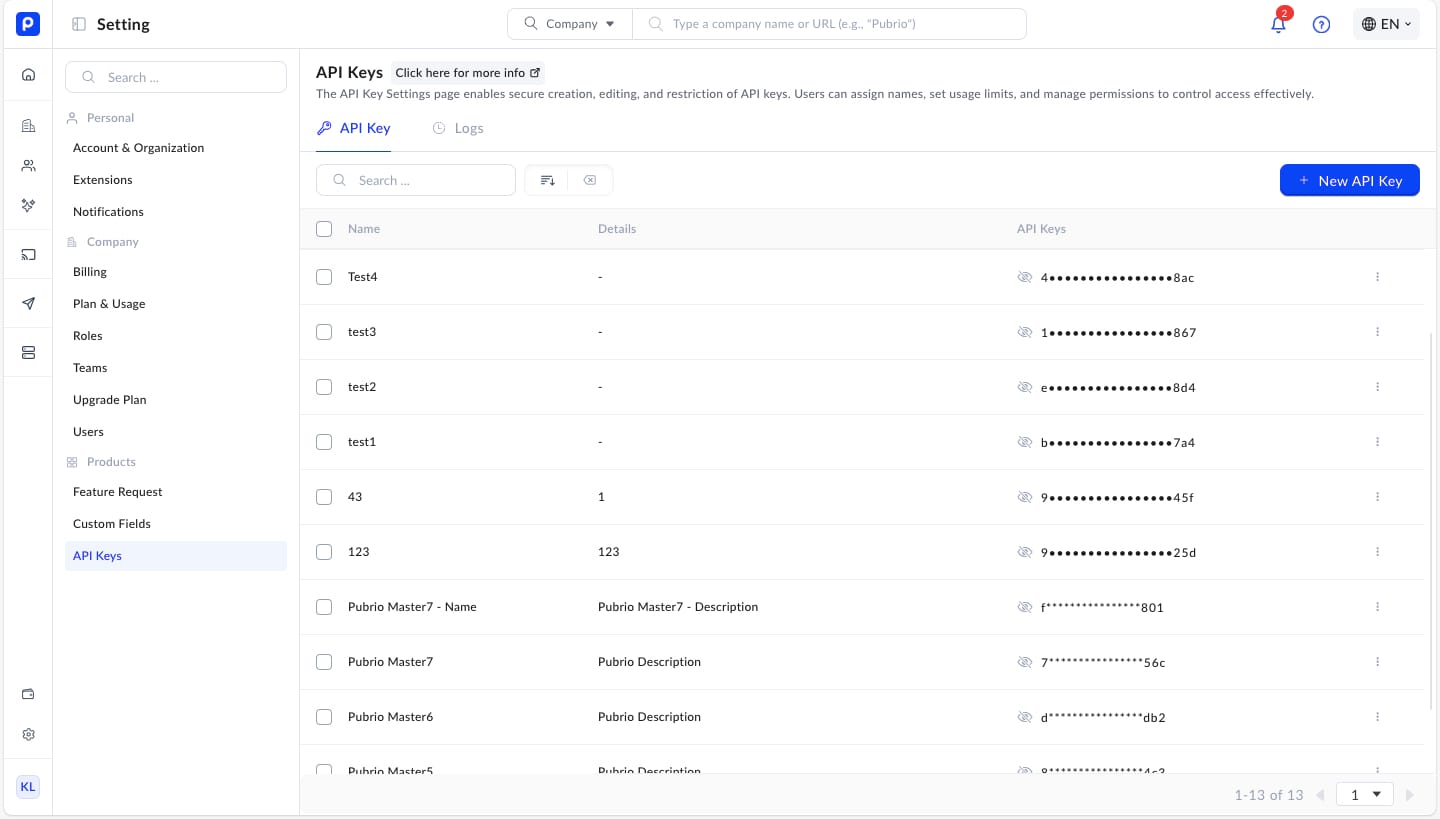
- Segment by region: APAC is highly fragmented, and scoring models must account for local differences. Pubrio’s enrichment endpoints allow teams to filter and cluster leads by geography, industry, or compliance requirements, so scoring weights align with regional buyer realities.
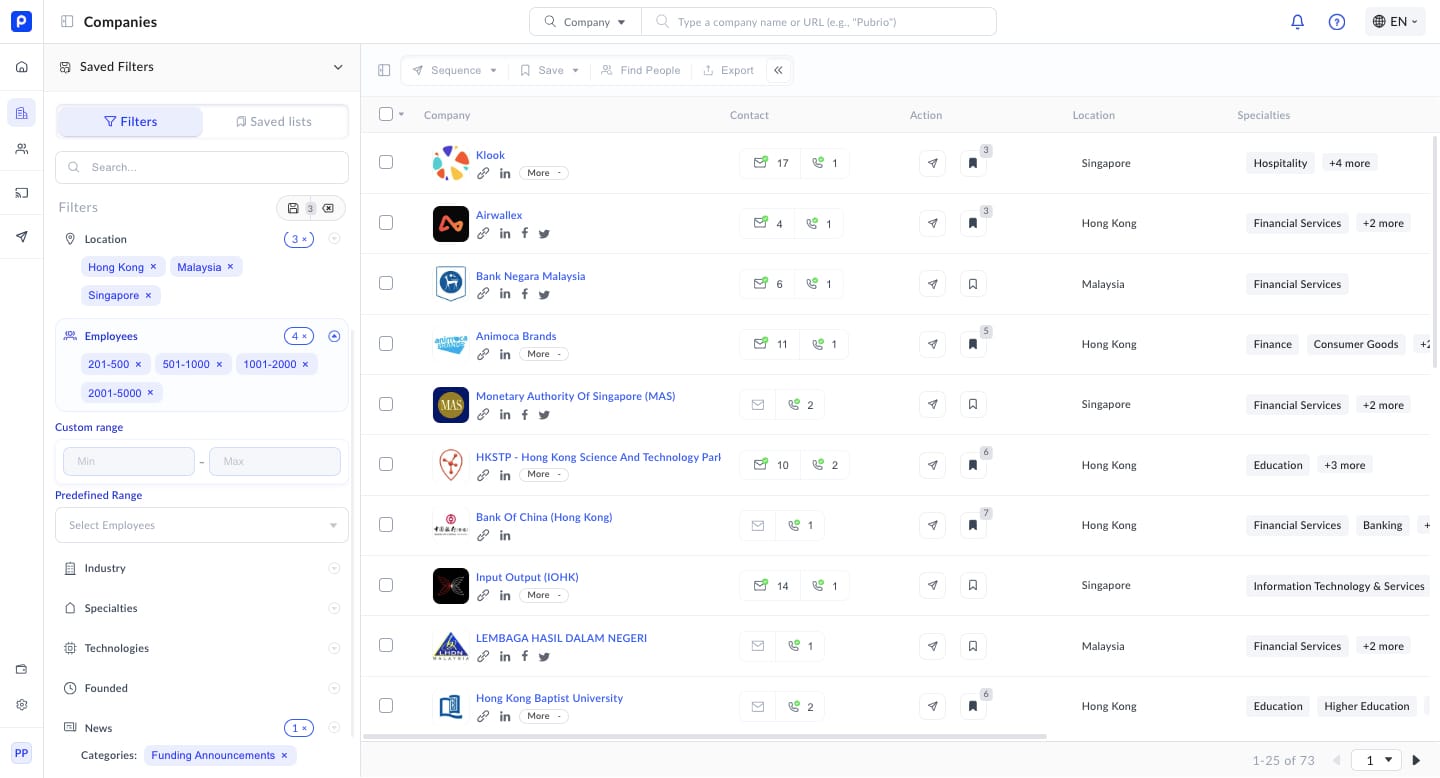
- Differentiate intent signals: Not all engagement is equal. High‑intent actions like demo requests or pricing downloads should carry more weight than casual blog visits. While CRMs and marketing automation platforms capture these signals, Pubrio strengthens the process by enriching lead profiles with verified APAC‑specific data. This ensures engagement signals are scored against accurate and contextual information.
- Blend automation with human oversight: Automation accelerates lead scoring, but human review adds essential context. Pubrio doesn’t replace scoring engines, but it enriches leads with verified APAC data and compliance insights. This allows sales teams to validate automated scoring outputs against localized information, striking the right balance between speed and judgment.
- Enrich with regional insights: Global datasets provide scale, but they often miss the depth needed for APAC markets. Pubrio adds value here by supplying verified, region‑specific data that reflects compliance requirements and localized buyer behaviors. This added context helps sales teams prioritize leads more accurately across diverse markets.
Lead scoring is more than a technical exercise — it’s a strategic discipline. By auditing rules, segmenting by region, differentiating intent signals, and balancing automation with human oversight, sales teams can avoid common pitfalls. And by enriching models with Pubrio’s APAC‑specific data, they can transform lead scoring from a simple prioritization tool into a reliable guide for building trust and driving conversions across diverse markets.
Quick Fixes for Lead Scoring
- Revisit scoring rules quarterly.
- Segment APAC markets by nuance.
- Differentiate high vs. low intent actions.
- Blend automation with human oversight.
Turning Lead Scoring Into a Growth Advantage
Avoiding these five mistakes isn’t just about tightening processes — it’s about reshaping how sales teams think about prioritization. In APAC, where buyer journeys are complex and trust is central, smarter lead scoring can be the difference between chasing noise and building meaningful pipelines.
By auditing rules, segmenting by region, differentiating intent signals, and balancing automation with human oversight, teams can transform lead scoring from a mechanical checklist into a strategic growth driver. When enriched with accurate, region‑specific data, scoring models stop being static tools and become dynamic systems that guide sales teams toward the right conversations, at the right time, with the right prospects.