
5 Lead Gen Platforms You Thought Were Equal—They're Not
Most teams assume lead gen platforms are interchangeable. They’re not. APAC buyers behave differently across channels, and choosing the wrong one can quietly drain your pipeline. Here’s what actually separates the top platforms—and how to pick the right mix for your B2B growth.


Not All Lead Gen Platforms Perform The Same. Here’s How APAC Teams Can Choose The Right Channels For Predictable B2B Customer Acquisition
Across APAC, many B2B teams still treat lead‑generation platforms as if they’re interchangeable—just different pipes feeding the same funnel. But the reality is far more nuanced. Every platform attracts its own mix of buyer behaviors, intent signals, and response patterns. Some channels speed up deal momentum, while others quietly slow it down.
The real trap is believing that adding more channels automatically produces more leads. In practice, the right channels—not the most channels—create the highest‑quality pipeline.

The Real Situation: APAC Buyers Don’t Behave the Same Everywhere
Most teams assume that if a platform works in one market, it should work everywhere else. But APAC doesn’t operate on that kind of uniformity. It’s a region defined by fragmented digital habits, different levels of platform maturity, and wildly different expectations around communication.
A VP in Singapore might respond instantly on LinkedIn. A director in Malaysia might prefer WhatsApp. A procurement lead in Indonesia might only reply to email.
When teams ignore these nuances, they end up with the same predictable problems:
- campaigns that look good in dashboards but don’t convert
- leads that respond slowly—or not at all
- sales teams wasting hours chasing contacts who were never a fit
McKinsey notes that APAC B2B buyers now use 10+ channels before making a decision, but not all channels influence them equally. Some build trust. Some accelerate replies. Some simply create noise.
The real challenge isn’t generating leads. It’s choosing the channels that actually move buyers forward.
The 5 Platforms Everyone Thinks Are Equal—But Aren’t
It’s tempting to assume that all lead‑generation platforms deliver similar outcomes simply because they all promise “leads.” But each one runs on a completely different engine. Some are built to capture intent, others to generate awareness, and a few exist purely to push volume into the top of the funnel. When these differences are overlooked, teams end up applying the right tools at the wrong stages and that’s where most pipeline friction quietly begins.
Below is a clearer look at the five platforms most commonly used for B2B lead generation in APAC and what truly separates them.
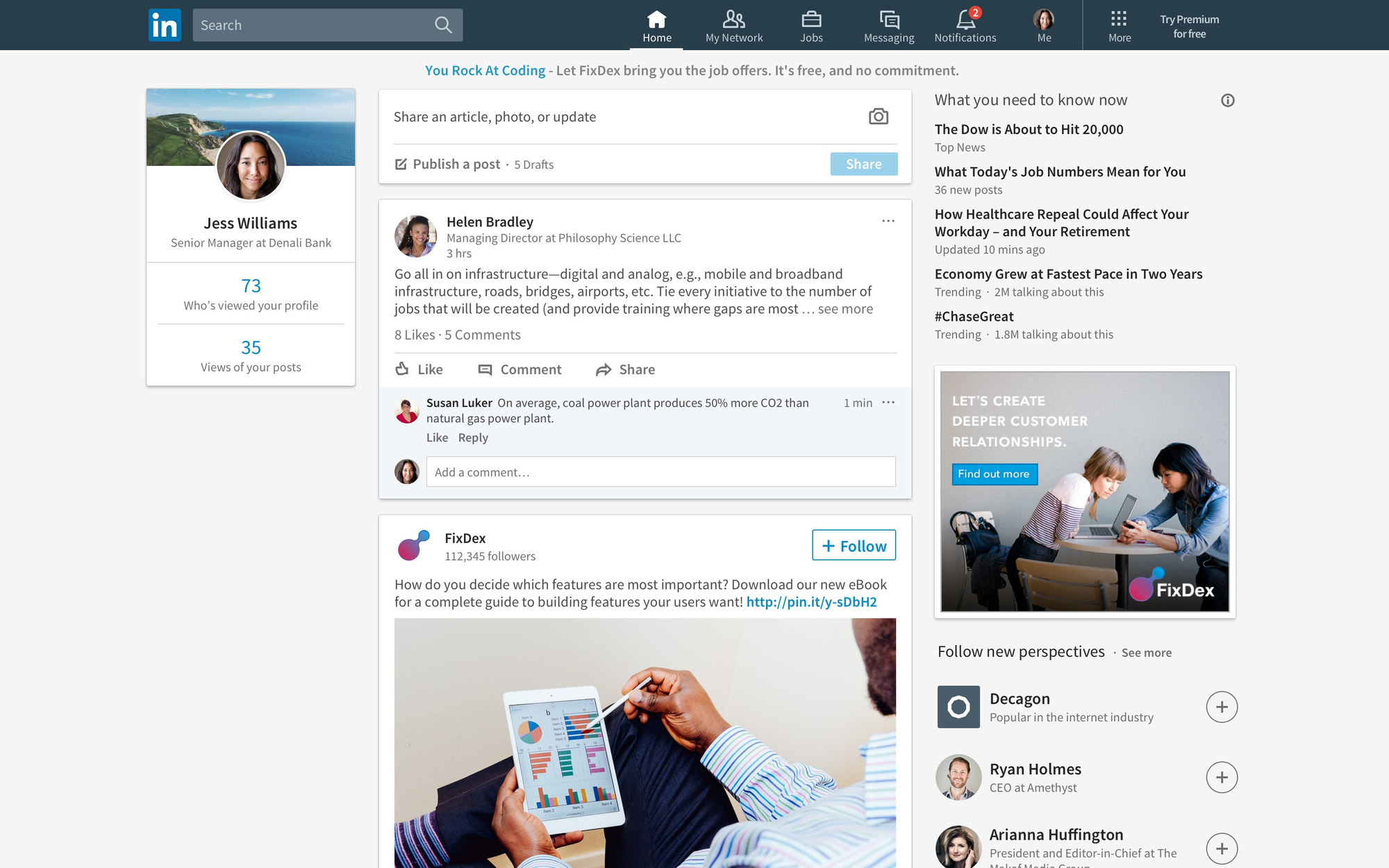
1. LinkedIn — High Trust, Low Velocity
LinkedIn is the backbone of B2B discovery in APAC. It’s where buyers validate credibility, check mutual connections, and assess whether a vendor “looks legitimate.” For early‑stage engagement, it’s unmatched.
Where LinkedIn excels
- establishing trust and authority
- warming prospects through content
- identifying decision‑makers
- creating early‑stage visibility
Where it struggles
- slower response times
- limited scalability for outbound
- weaker penetration in markets like Thailand, Vietnam, and Indonesia
LinkedIn is powerful, but it’s not built for speed. It’s a credibility engine, not a rapid‑response channel.
2. Google Search — High Intent, High Competition
Google Search is the most intent‑driven lead‑gen platform. Buyers arrive already aware of their problem — they’re actively looking for solutions. That’s why search leads often convert faster than outbound leads.
Strengths
- high‑intent inbound traffic
- measurable ROI
- scalable with the right funnel
Weaknesses
- rising Cost-per-click (CPC) across APAC
- dominated by large competitors
- requires strong landing pages, clear messaging, and ongoing optimisation
Google Search is powerful, but it requires ongoing optimisation. Teams that treat it as a one‑time setup usually see performance decline over time.

3. Meta Ads (Facebook/Instagram) — Huge Reach, Low Intent
Meta platforms remain some of the most widely used digital channels in APAC, especially in Malaysia, Indonesia, and the Philippines. But unlike Google Search, Meta is attention‑driven, not intent‑driven.
Strengths
- massive reach
- strong targeting options
- cost‑effective for awareness and top‑funnel capture
Weaknesses
- low buyer intent
- requires nurturing before conversion
- quality varies widely
Meta is powerful when used to start conversations, not close them.

4. Lead Marketplaces — Fast Volume, Low Precision
Lead marketplaces are platforms that sell or distribute ready‑made leads. They’re popular in APAC because they promise instant volume — thousands of contacts delivered in minutes. Common examples like Lusha, Apollo.io, ZoomInfo (APAC coverage varies).
What teams often discover
- recycled or overused contacts
- outdated phone numbers or emails
- low‑intent buyers
- high bounce rates
These platforms can be useful for broad outreach, but only when paired with strong qualification and enrichment. Without structure, they create more noise than progress.
5. Industry Databases — Accurate, But Slow to Activate
Industry directories, trade associations, and government‑maintained databases offer something rare in APAC: vetted, structured, reliable data. But accuracy alone doesn’t create pipeline — activation does. Common examples like MIDA Directory (Malaysia Investment Development Authority), SGX Listed Companies Directory (Singapore), HKTDC Buyer & Supplier Directory (Hong Kong), JETRO Directories (Japan), Sector‑specific associations (e.g., FMM Malaysia, SME Corp, hospitality/logistics associations).
Strengths
- verified company information
- niche segmentation
- reliable firmographics
Weaknesses
- requires manual enrichment
- outreach must be multi‑step
- cold contacts need strong messaging to warm up
These databases shine in account‑based strategies where precision matters more than speed.
Once you compare these platforms side‑by‑side, it becomes clear they’re not interchangeable. Each one plays a distinct role in the buyer journey, from awareness to intent to qualification. The teams that scale fastest in APAC aren’t the ones using every platform; they’re the ones using each platform for the job it’s actually designed to do.
The Missing Layer: Knowing Who’s Actually Interested
After comparing these five platforms, one thing becomes obvious: none of them tell you which companies are quietly researching you behind the scenes. Modern B2B buyers in APAC self‑educate long before they fill out a form, reply to outreach, or accept a connection request. By the time they speak to a vendor, they’ve already compared options, read reviews, and shortlisted potential partners.
The problem is that most lead‑gen platforms only show activity you can see — clicks, impressions, form fills. They don’t reveal the invisible part of the journey: the companies visiting your website, the pages they’re exploring, or the topics they keep coming back to.
This is where website‑level intent becomes the missing layer in today’s lead‑generation stack.
Platforms like Pubrio help teams identify which companies are visiting their site, how often they return, and what content they’re engaging with. It’s not about adding another channel — it’s about finally seeing the demand that’s already there. Instead of guessing who might be interested, teams can prioritise accounts that are actively warming up.
It’s a simple shift, but it changes everything: you stop chasing cold leads and start focusing on buyers who are already in‑market.
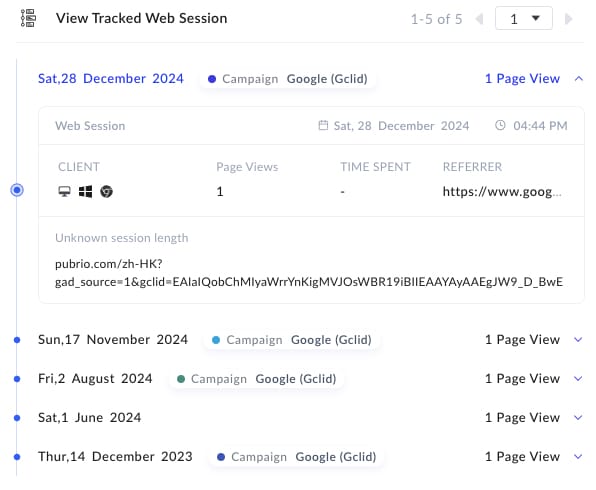
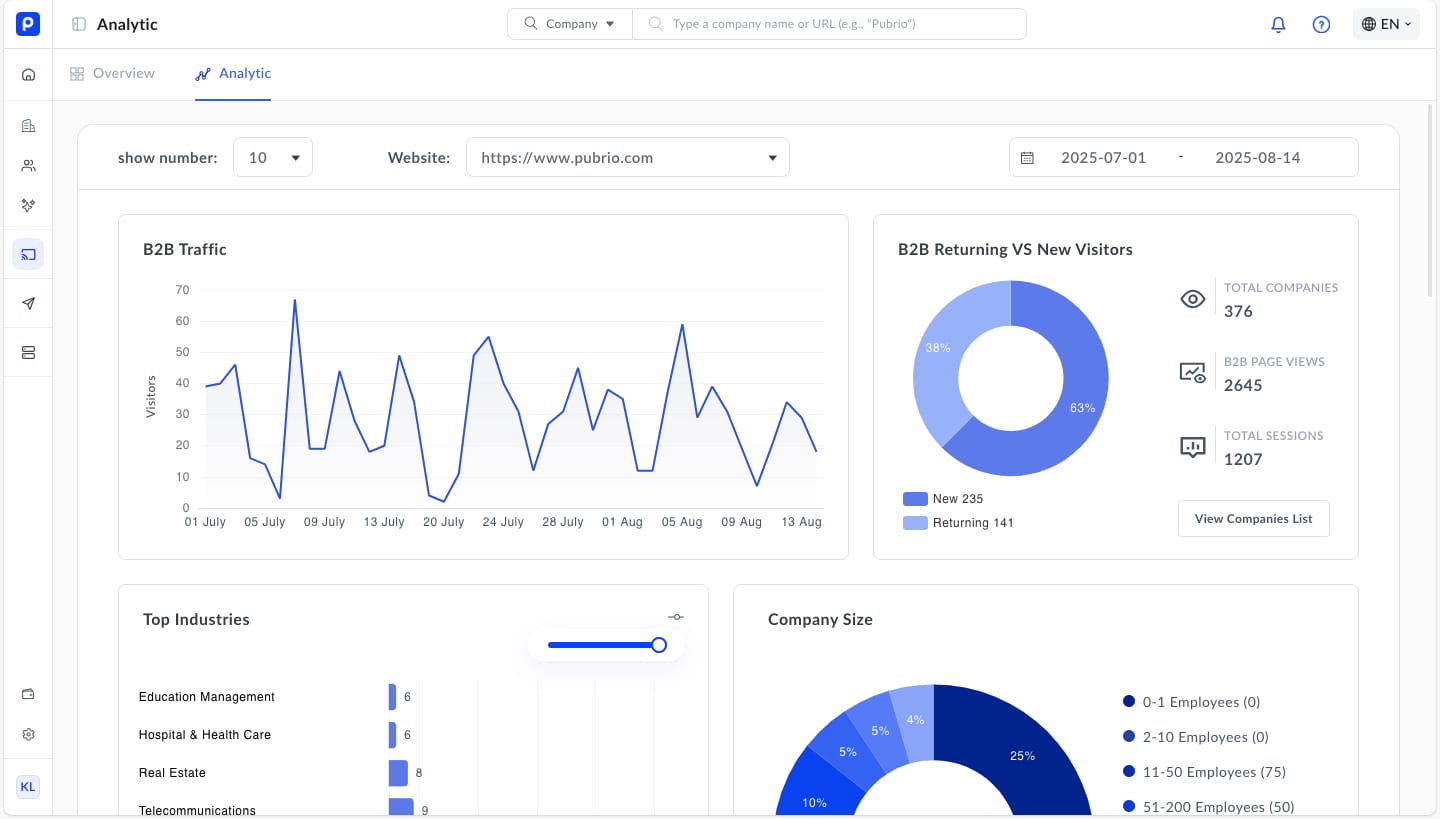
The Missing Layer in APAC Lead Gen
- Platforms show clicks, not real buying intent
- Buyers research quietly before responding
- Teams can’t see which companies revisit key pages
- High‑intent accounts get treated the same as cold ones
The Future of Lead Gen Isn’t More Platforms — It’s More Clarity
The real advantage in APAC lead generation isn’t using more platforms — it’s finally seeing which buyers are genuinely interested. Traditional channels each play their part, but none reveal the silent research happening before a prospect ever fills out a form. That’s why platforms like Pubrio matter: by uncovering company‑level website intent, Pubrio gives teams the clarity they’ve been missing, helping them focus on accounts already warming up instead of chasing cold leads. In a region as diverse and fast‑moving as APAC, that kind of visibility isn’t just helpful — it’s a smarter way to grow.