
4 Multichannel Platforms Redefining APAC Lead Engagement
APAC’s fragmented digital landscape demands multichannel strategies. Explore 4 platforms redefining B2B lead engagement and how businesses can win with automation, personalization and trust.


Explore How 4 Top Multichannel Platforms Are Transforming APAC B2B Lead Engagement With Automation, Data, and Local Insights. Key Takeaways to Boost Your Sales Pipeline
Asia‑Pacific has become the beating heart of global B2B growth, with its diverse markets driving innovation and opportunity. Business decision‑makers across industries are navigating increasingly complex buying journeys, often engaging with more than ten different channels before making a purchase decision. This fragmented landscape reflects the region’s diversity in language, culture, and digital behavior.
For marketers, the implication is clear: relying on a single channel is no longer enough. To acquire customers and generate leads effectively, multichannel engagement has become the new standard. By meeting prospects across multiple touchpoints — from email and LinkedIn to messaging apps and webinars — businesses can build trust, sustain momentum, and maximize conversion opportunities in APAC’s fast‑evolving digital environment.

Why Multichannel Platforms Matter in APAC
Asia‑Pacific is one of the most diverse regions for B2B engagement, with multiple languages, cultures, and digital ecosystems shaping how decision‑makers interact. A single‑channel approach rarely delivers the reach or impact needed.
Multichannel strategies win in APAC because they:
- Adapt to fragmented digital behaviors — LinkedIn in Singapore, WhatsApp in Indonesia, WeChat in China.
- Build trust through repeated touchpoints — consistent presence across email, events, and social channels.
- Boost engagement and conversion — multiple entry points keep momentum strong.
- Provide resilience — diversification protects against shifting regulations and platform trends.
In short, multichannel isn’t optional in APAC — it’s the foundation for effective B2B customer acquisition.
The Challenge: Fragmented Buyer Journeys in APAC
When it comes to B2B customer acquisition, Asia‑Pacific stands apart from other regions. Unlike North America or Europe, where buyer journeys tend to follow more standardized patterns, APAC markets are highly fragmented. This fragmentation is not a weakness — it reflects the region’s diversity — but it does create significant challenges for marketers and sales teams trying to build consistent pipelines. Understanding these nuances is critical for anyone aiming to generate leads and drive conversions in APAC.
1. Language Diversity
APAC is home to dozens of major languages, from Mandarin and Bahasa to Hindi, Japanese, and Korean. Each language carries its own cultural context, idioms, and expectations. A campaign that resonates in Mandarin may feel flat or even confusing in Bahasa. For marketers, this means translation alone is not enough — localization is essential. Tailoring messaging to reflect local grammar, tone, and cultural nuance ensures that prospects feel the outreach is relevant and respectful.
2. Platform Preferences
Digital behavior in APAC varies dramatically by market. LinkedIn dominates in Singapore and Hong Kong for professional networking, while WhatsApp is the go‑to in Indonesia, and WeChat is indispensable in China. A one‑size‑fits‑all approach that relies on a single platform risks missing entire segments of the audience. Successful lead generation requires mapping out platform preferences by country and industry, then orchestrating campaigns across multiple channels to ensure coverage.
3. Trust‑Based Cultures
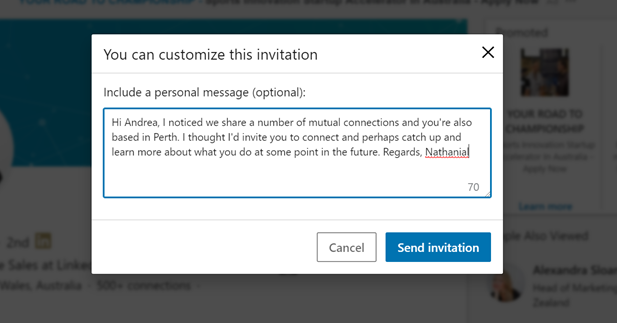
In many APAC markets, business relationships are built on trust developed over time. A single cold email or ad impression rarely moves the needle. Instead, repeated touchpoints — a webinar invite, a LinkedIn post, followed by a personalized email — gradually build credibility. This cultural emphasis on relationship‑building means multichannel engagement is not just a tactic but a necessity. Without it, sales teams often find themselves with incomplete pipelines and stalled opportunities.
Because of these factors, campaigns that rely on one channel often underperform. Leads drop off, engagement rates stagnate, and sales teams struggle to maintain momentum. The fragmented buyer journey in APAC demands a multichannel approach that adapts to language, platform, and cultural expectations simultaneously.
The Platforms That Are Leading The Charge
To succeed in APAC’s fragmented B2B landscape, businesses need platforms that can orchestrate multichannel engagement intelligently. Below are four platforms redefining how organizations acquire customers and generate leads across the region.
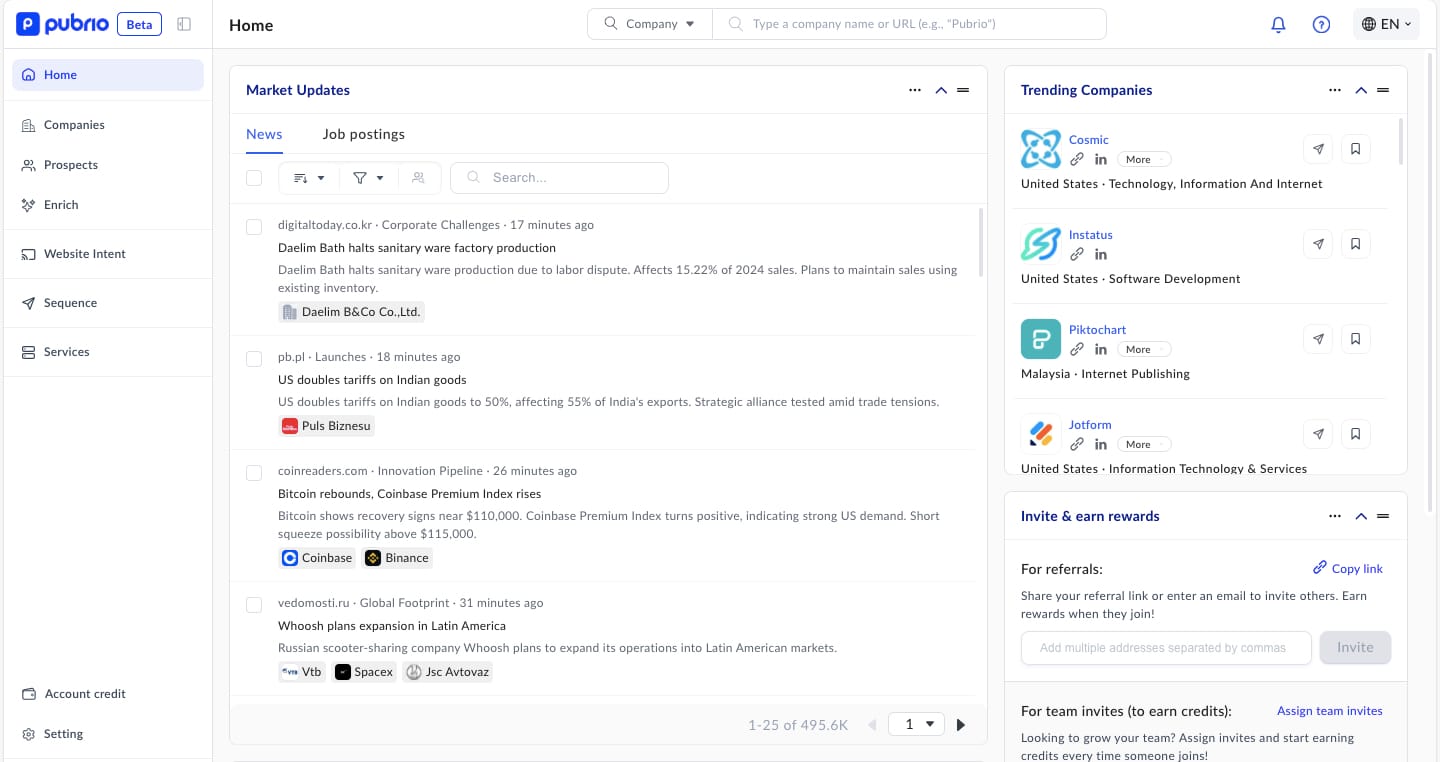
1. Pubrio: Seamless Multichannel Workflow for APAC Sales
Pubrio is purpose‑built for APAC B2B lead generation, designed to address the region’s unique diversity in language, culture, and digital behavior. Its strength lies in automation, segmentation, and actionable data insights that allow businesses to run campaigns across multiple channels simultaneously. Whether it’s LinkedIn outreach, personalized email sequences, or local messaging apps, Pubrio enables marketers to align these touchpoints into a seamless journey.
- Best Use: End‑to‑end lead engagement across fragmented APAC markets.
- Tip: Use Pubrio’s multichannel orchestration to synchronize outreach across LinkedIn, email, and local messaging apps for maximum impact.
2. LinkedIn Campaign Manager
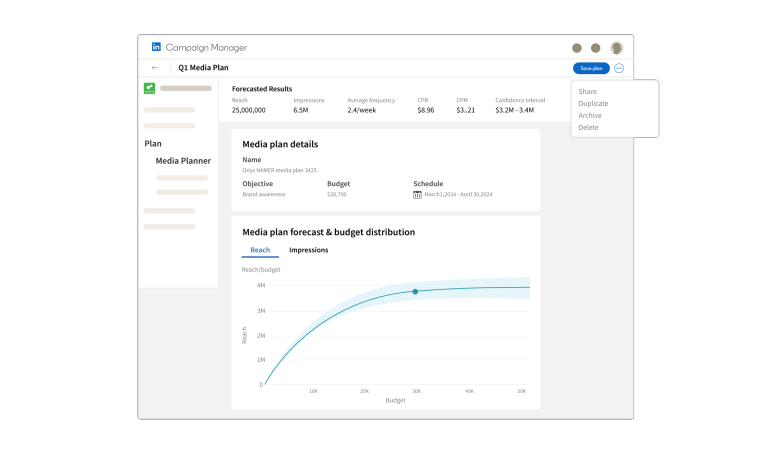
LinkedIn remains the most trusted professional network in APAC, especially in markets like Singapore, Hong Kong, and India. Its Campaign Manager tool allows businesses to target decision‑makers with precision, distribute thought leadership content, and build brand credibility. Sponsored InMail and lead gen forms make it possible to reach executives directly in a professional context.
- Best Use: Top‑of‑funnel awareness and credibility building.
- Tip: Use Sponsored InMail to deliver personalized messages to senior decision‑makers.
3. HubSpot Marketing Hub
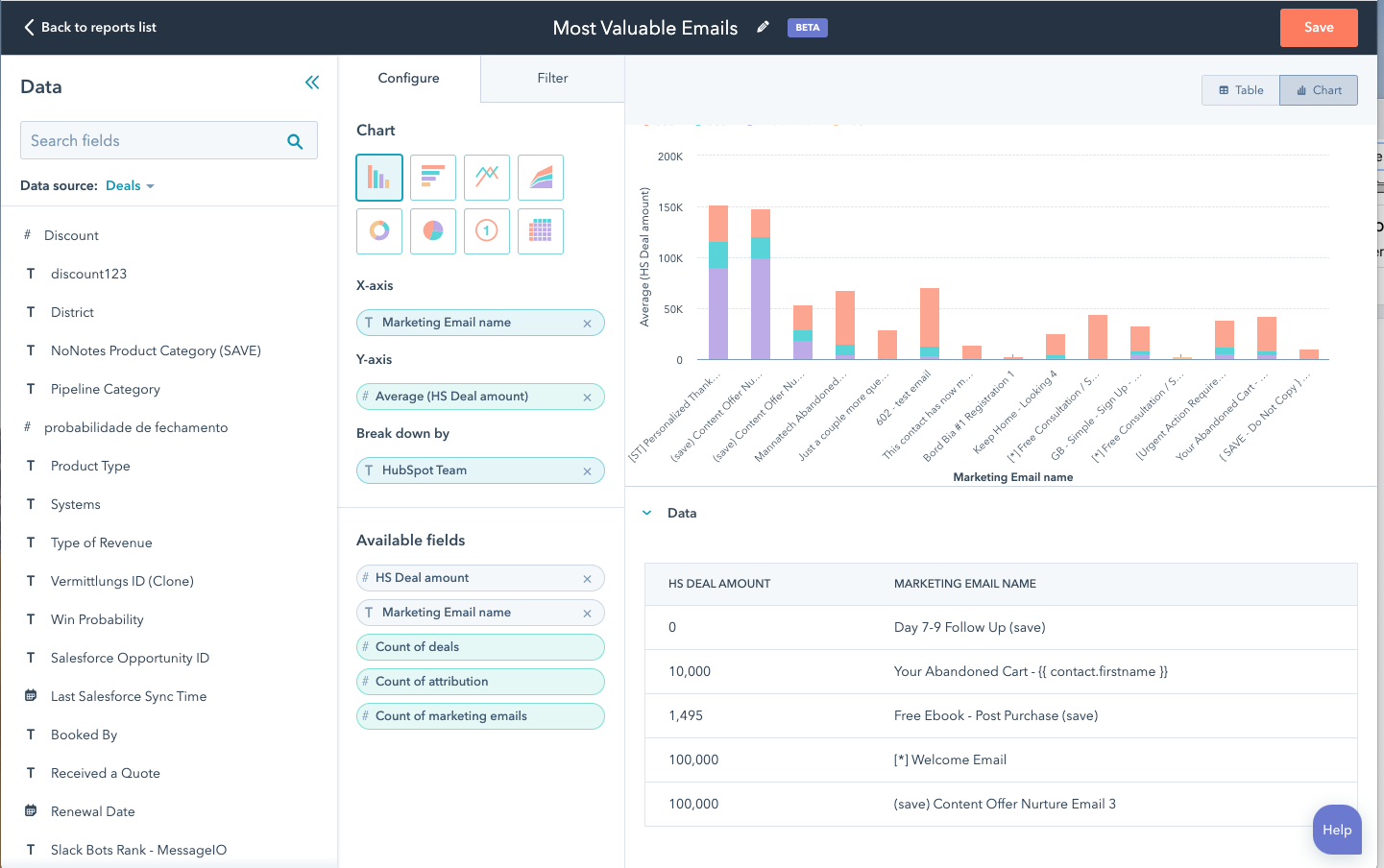
HubSpot is a global leader in inbound marketing, and its Marketing Hub is widely adopted in APAC for email automation, CRM integration, and analytics. It helps businesses nurture leads through personalized workflows, track engagement, and align marketing with sales. For APAC, its ability to segment audiences by language, industry, and behavior makes it especially effective.
- Best Use: Mid‑funnel nurturing with personalized workflows.
- Tip: Segment APAC audiences by language and industry to improve open and click‑through rates.
4. SendPulse
SendPulse is a versatile multichannel automation platform that supports email, SMS, and chatbots. It’s particularly useful for event marketing and cross‑channel nurturing campaigns, ensuring prospects receive timely reminders and follow‑ups. Its strength lies in combining traditional channels like email with mobile‑first channels like SMS, which are highly effective in APAC markets.
- Best Use: Cross‑channel nurturing campaigns.
- Tip: Combine SMS reminders with email follow‑ups to boost event attendance and engagement.
Video Credit: Try multi-channel marketing with SendPulse By SendPulse
Why Multichannel Matters in APAC
- Fragmented digital behaviors
- Trust built through repeated touchpoints
- Higher conversion opportunities
- Resilience against market shifts
Multichannel as Necessity
In APAC, multichannel engagement is no longer a choice — it’s the cornerstone of effective B2B customer acquisition. The region’s diversity in language, culture, and digital behavior makes single‑channel strategies insufficient. To reach decision‑makers and sustain momentum, businesses must orchestrate outreach across multiple platforms, ensuring every touchpoint contributes to building trust and credibility.
By combining automation, personalization, and relationship‑driven interactions, multichannel platforms empower organizations to navigate fragmented buyer journeys with confidence. Solutions like Pubrio enable businesses to align campaigns seamlessly across email, LinkedIn, and local messaging apps, accelerating lead generation and driving growth across APAC’s fast‑evolving markets.