
4 Lead Gen Automation Flaws That Kill APAC Conversion Rates
Automation promises speed, but in APAC’s complex B2B markets, the wrong setup can stall conversions. Here are four common lead gen automation flaws, and practical fixes to keep your pipeline moving.


Discover 4 Automation Flaws Slowing APAC B2B Conversions, and How To Fix Them For Faster Growth
Automation is often hailed as the silver bullet for B2B lead generation. In theory, it reduces manual effort, scales outreach, and speeds up pipeline velocity. When executed well, it allows teams to focus on high‑value activities while repetitive tasks run in the background.
Yet in APAC’s fragmented markets, automation can easily backfire if not implemented with precision. Poorly designed workflows risk overwhelming prospects, misaligning data, and wasting valuable sales cycles. Instead of accelerating conversions, automation that lacks context or integration can slow pipelines and erode trust with buyers.

Why APAC Pipelines Struggle
APAC is one of the most diverse B2B regions in the world. With dozens of languages, cultural nuances, and varied buying behaviors, automation that works in one market often fails in another. A campaign designed for Singapore may not resonate in Indonesia; messaging that converts in Japan may fall flat in India. This diversity makes automation tricky because it requires both scale and sensitivity.
Here are four common challenges that slow down pipelines in APAC:
- Generic outreach that ignores local context
Many teams rely on one‑size‑fits‑all automation, sending the same email sequence across multiple countries. Buyers quickly disengage when the messaging doesn’t reflect their language, cultural expectations, or market realities. For example, a generic English‑only campaign may miss opportunities in Thailand or Vietnam, where localized communication builds trust faster.
Video Credit: Bad vs Good Cold Email: Why Most Outreach Gets Ignored By Concept Outbound
- Data silos between marketing and sales systems
When CRM, marketing automation, and intent data aren’t connected, leads fall through the cracks. Sales teams waste time chasing incomplete records or duplicating effort. In APAC, where buying committees often involve multiple stakeholders, disconnected data makes it even harder to prioritize the right accounts.
Video Credit: Stop Data Silos with Better Software (A Striven Insight Guide) By Striven Business Software
- Over‑automation that feels impersonal to buyers
Automation can scale outreach, but too much of it risks sounding robotic. APAC buyers often value relationship‑building and personalized engagement. A flood of automated LinkedIn messages or emails without human touchpoints can damage credibility instead of accelerating conversions. - Poor attribution that hides which campaigns actually convert
Many teams measure activity — emails sent, ads clicked — but fail to track which campaigns generate revenue. Without attribution, it’s impossible to know whether a webinar in Malaysia or a LinkedIn campaign in India is driving pipeline. This lack of visibility leads to wasted spend and missed opportunities to double down on what works.
Video Credit: Balancing Attribution in Marketing Campaigns By @DTCPodcast
Unless these flaws are addressed, automation becomes a bottleneck rather than a growth driver. The key is to balance automation with localization, integrate data streams, and measure ROI at the campaign level.
Fixing Automation Pitfalls that Slow APAC Conversions
Automation should accelerate pipeline velocity, but in APAC’s diverse B2B markets, it often introduces new challenges. The key is not to abandon automation, but to refine it — ensuring workflows are localized, data is connected, and ROI is transparent. When applied wisely, automation becomes a growth driver rather than a bottleneck. Platforms like Pubrio play a critical role here, helping teams surface company‑level website intent, unify data streams, and attribute ROI directly to campaigns.
Below are four common automation flaws that slow conversion rates, along with practical fixes to overcome them.
1. Over‑Automated Outreach
Too many automated emails or LinkedIn messages can feel spammy, causing prospects to disengage. Without personalization, automation risks damaging credibility instead of building trust.
Fix: Use automation for scale, but add human touchpoints. Segment audiences by industry and buying stage, then tailor messaging accordingly. A balanced mix of automation and personalization keeps outreach efficient yet authentic.
2. Weak Data Integration
Disconnected systems — CRM, marketing automation, and intent data — often result in lost leads and frustrated sales teams. Without a unified view, prioritization slows and pipeline velocity suffers.
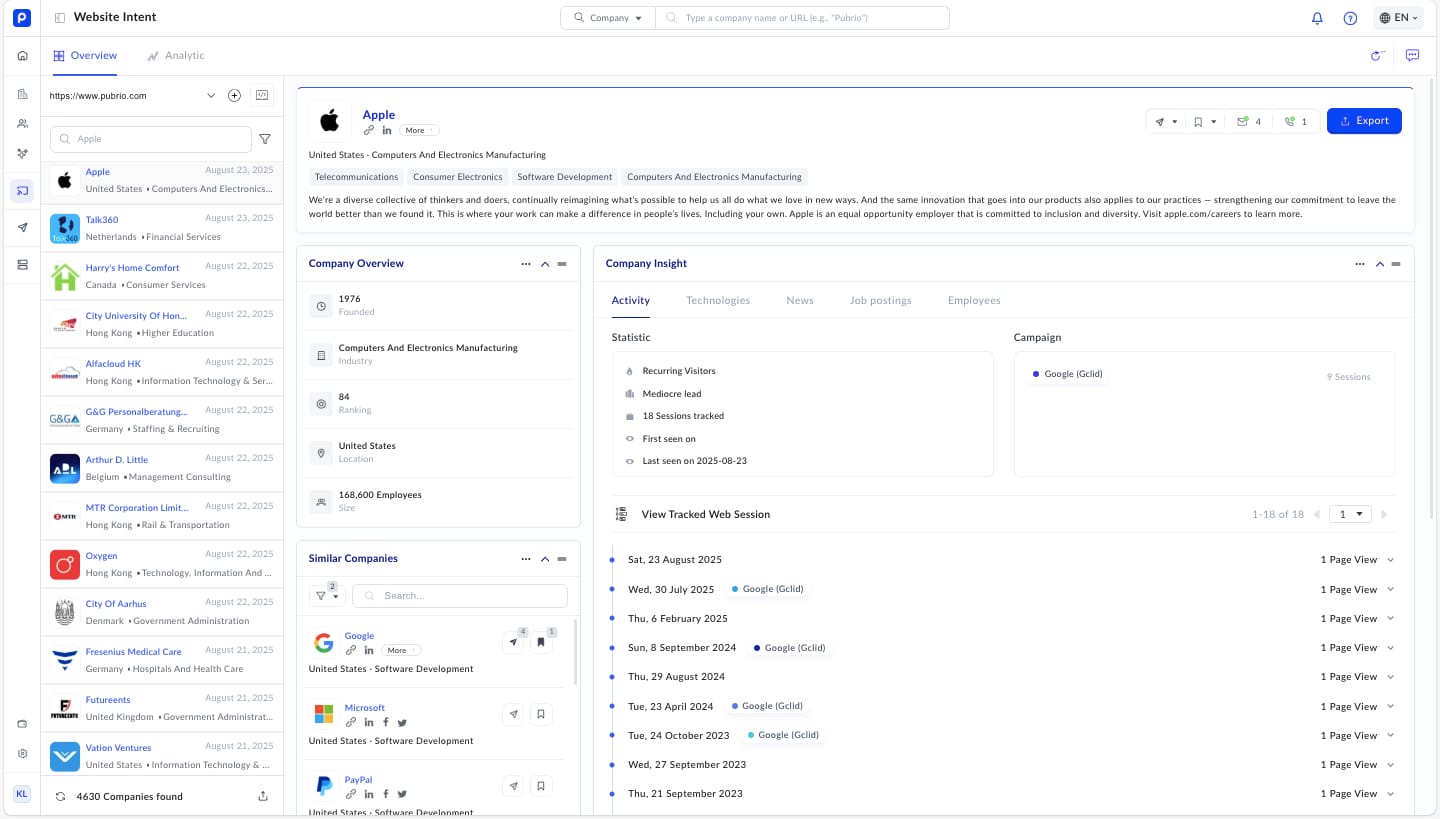
Fix: Invest in platforms that unify data streams. Pubrio, for example, surfaces company‑level website intent and integrates directly with CRM, ensuring sales teams see qualified accounts in real time.
3. Ignoring Local Buyer Behavior
APAC buyers expect localized content and culturally relevant engagement. Automation that overlooks these nuances often reduces trust and slows conversion rates. A generic, one‑size‑fits‑all campaign may resonate in one market but fall flat in another, especially when language, cultural expectations, and buying cycles differ across regions.
Fix: Customize workflows by region. Adapt messaging to local languages, reference market‑specific pain points, and align outreach timing with regional business norms. This ensures automation feels relevant rather than robotic. Tools like Pubrio add another layer of intelligence by surfacing company‑level website intent. With these insights, teams can see which organizations from different APAC markets are actively exploring their site, understand what content they engage with, and tailor outreach accordingly. This makes automation not only localized but also intent‑driven, helping sales teams connect with buyers in a way that feels timely and personal.
4. Poor Attribution of ROI
Many automation setups measure activity — emails sent, clicks, or sign‑ups — but fail to connect these actions to revenue. Without clear attribution, teams can’t tell which campaigns or partners are truly driving conversions, making it difficult to optimize spend or scale what works.
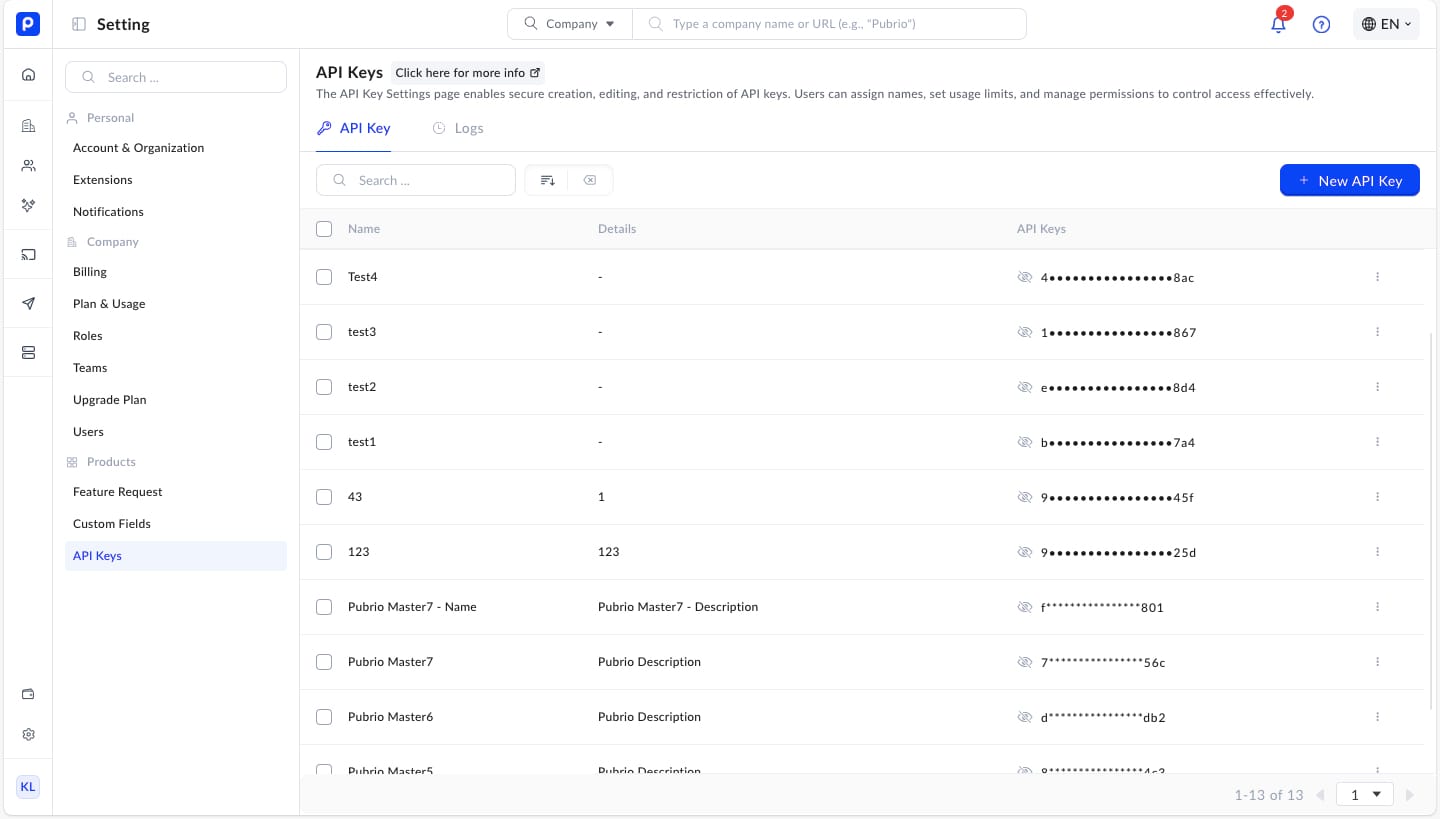
Fix: Build attribution into every campaign and partner motion. Use consistent tracking (UTMs, source tags) and connect enriched lead data back to pipeline outcomes. Pubrio supports this by enriching prospect and account data with AI‑driven insights, which can be integrated into CRM systems via its API. This ensures sales teams see not just raw activity, but complete, actionable information tied to qualified accounts. With this visibility, businesses can double down on high‑performing strategies and eliminate wasted spend.
Common Automation Pitfalls
- Over‑automated outreach that feels impersonal
- Disconnected data streams between systems
- Ignoring local buyer expectations
- Weak ROI attribution
Turning Flaws into Growth
Automation is meant to accelerate B2B pipelines, but in APAC’s complex markets, the wrong setup can slow conversions and waste resources. By addressing flaws in outreach, data integration, buyer localization, and ROI attribution, businesses can transform automation from a liability into a growth driver.
The key is balance: scale where it matters, personalize where it counts, and measure what truly drives revenue. Pubrio supports this shift by enriching lead and account data, surfacing website intent signals, and enabling clearer attribution through CRM integration. With these insights, APAC teams can reduce acquisition costs, shorten buying cycles, and focus on the accounts most likely to convert.
Automation alone won’t guarantee success — but smarter automation, powered by intent‑driven insights, will.