
3 Lead Tools with Data Accuracy Problems You Can Fix
Data accuracy is crucial for successful B2B lead generation. Uncover issues with leading platforms and practical tips to fix them, boosting your sales effectiveness.


Discover Common Data Accuracy Issues In Top Lead Generation Tools And Learn Actionable Fixes To Improve Your B2B Sales Pipeline in APAC
In the rapidly evolving APAC B2B sales environment, lead generation tools promise faster prospect sourcing and smarter automation, helping sales teams reach qualified buyers more efficiently. However, one persistent challenge undermines these benefits: data accuracy. Outdated, incomplete, or incorrect lead data causes wasted outreach efforts, frustrated sales reps, and reduced conversion rates. As companies grow and industries shift, maintaining a current and verified contact database becomes increasingly difficult, leaving organizations struggling to keep their sales pipelines both healthy and actionable.
Moreover, the consequences of poor data accuracy extend beyond missed sales opportunities. Erroneous or stale data can damage a company’s reputation, creating a perception of spamming or unprofessionalism among prospects. In APAC’s diverse and fast-paced markets, respecting buyer preferences and delivering relevant, timely communication is paramount. By understanding common data accuracy pitfalls and implementing practical solutions, marketers can greatly improve lead quality, boost engagement, and ultimately enhance their return on investment in lead generation technologies.

Why Data Accuracy Problems Persist
Data accuracy issues in lead generation tools often result from real-world business changes like relocations, role shifts, or email changes, compounded by reliance on static imports or scraping that can introduce duplicates and errors. While some platforms like GetProspect promise high data accuracy, real users report occasional gaps, especially with smaller companies or missing key contacts.
This gap highlights the importance of ongoing data validation to keep pace with dynamic markets. For example, advanced platforms such as Pubrio address these challenges by continuously crawling and validating over a billion data points daily, across diverse sectors and regions. By combining AI with human-assisted research, Pubrio ensures fresher, more relevant data that can better support lead generation needs in complex APAC markets.
Tool 1: GetProspect – Strengths and Data Accuracy Challenges
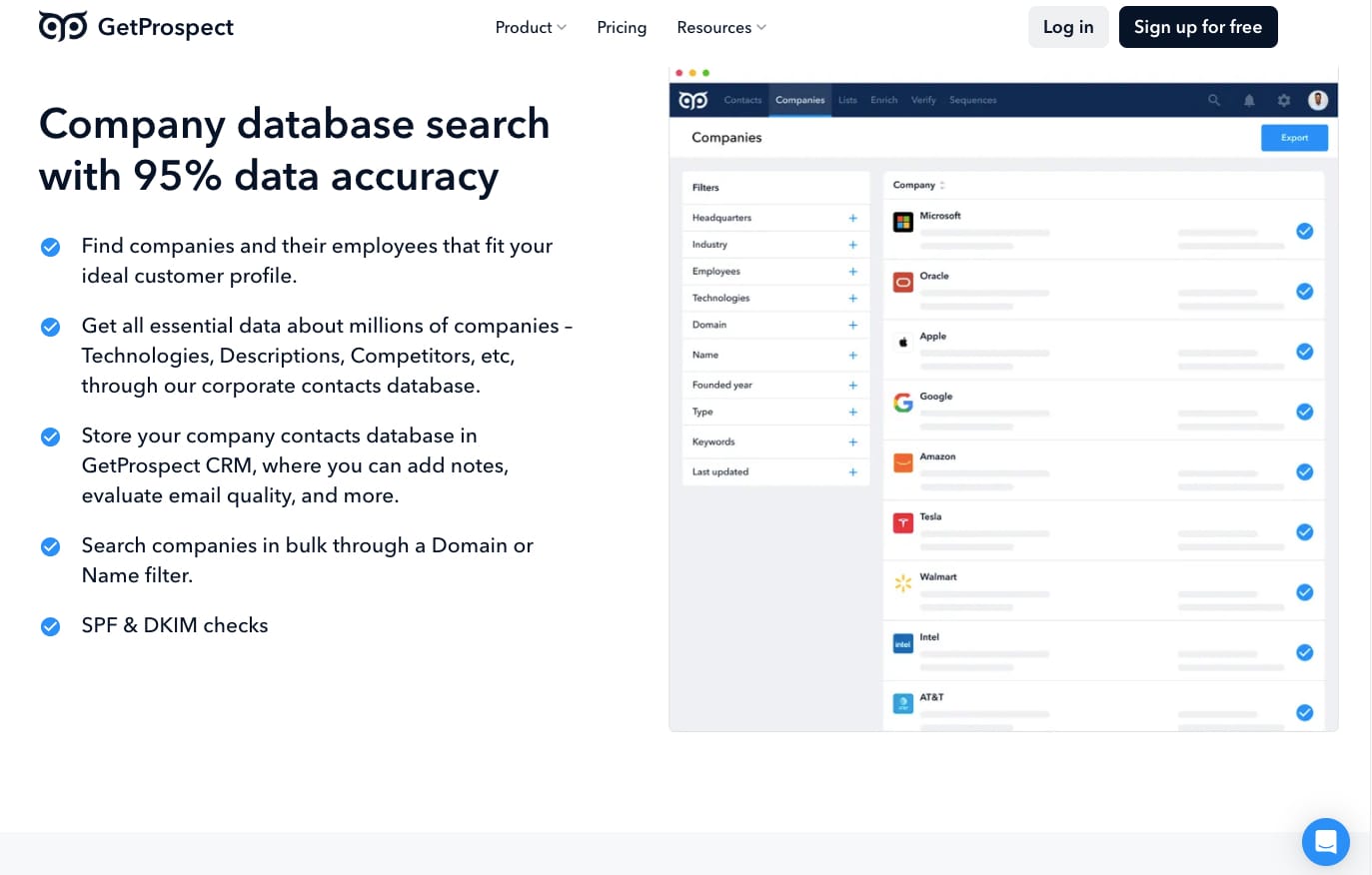
GetProspect excels in simplicity and CRM integration, offering rich filtering and bulk export capabilities. However, users have flagged intermittent slowdowns and data inaccuracies, particularly missing contacts or outdated emails at smaller firms. These issues often require manual data verification or supplementation to maintain a reliable sales funnel.
Tool 2: Jeeva.AI – Automation Efficiency vs Data Entity Resolution
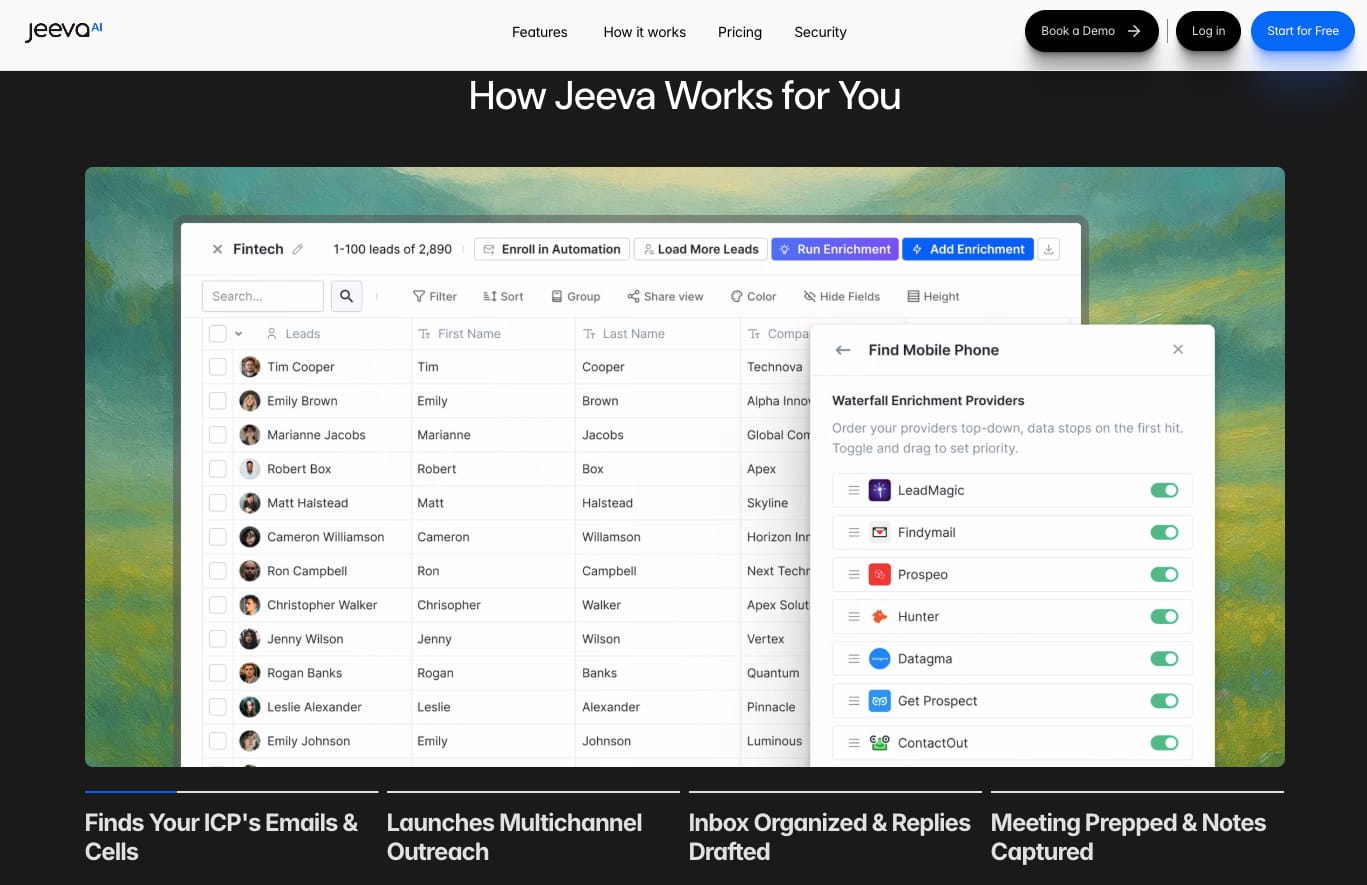
Jeeva.AI automates personalized outreach and lead scoring through advanced AI but faces typical challenges in universal data consistency. As it automates large outreach volumes across channels, inaccurate or duplicated contact information can amplify inefficiencies without robust data cleansing workflows embedded upfront.
Tool 3: Amplemarket – Comprehensive Multichannel Outreach with Data Concerns
Amplemarket shines with deep sales intelligence and omnichannel engagement but carries a higher price point and occasional UI glitches that impact data syncing. Some customers report slower data filtration and glitches particularly with concurrent integrations, leading to potential inaccuracies affecting campaign performance.

How to Fix Data Accuracy Issues in Lead Gen Tools
- Leverage Data Enrichment Services: The foundation of accurate lead data lies in continuous enrichment from multiple verified sources. Solutions like Pubrio automatically gather and validate data points—from company firmographics to contact roles and buying intent—across hundreds of sources daily. This dynamic approach drastically reduces stale, obsolete, or incorrect contacts in your database. Modern enrichment tools also integrate seamlessly with CRMs and marketing platforms, ensuring real-time updates that keep your lead information fresh and actionable. This enables sales and marketing teams to personalize messaging, precisely segment audiences, and focus efforts where the highest conversion potential exists.
- Implement Regular Data Audits: Data integrity isn’t a one-and-done task. Periodic cleansing routines are essential to remove duplicates, correct outdated details, and update contacts based on the latest market movements. Scheduling audits using specialized software or automated workflows helps maintain a healthy database that fuels AI algorithms and lead scoring models with reliable inputs. Businesses practicing regular data hygiene report substantial gains in campaign efficiency and customer engagement, as the risk of wasted outreach diminishes. Transparency in auditing processes also supports compliance with global data privacy regulations, mitigating legal risks.
- Combine with Human Verification: While AI and automation significantly accelerate lead qualification, human expertise remains irreplaceable for nuanced judgment calls and contextual insights. Sales teams can review AI-curated lead lists to filter prospects based on qualitative factors like recent interactions, relationship history, or market trends that algorithms might miss. This hybrid model balances speed with accuracy, ensuring a high-quality pipeline and better overall outreach effectiveness. Empowering human reviewers with enriched data and smart scoring insights magnifies impact, allowing smarter resource allocation and stronger buyer connections.
Video Credit: Data Accuracy By Pipeliner CRM
Common Data Accuracy Issues in Lead Gen Tools
- Outdated contact details
- Duplicate records
- Missing key decision-makers
- Incorrect company information
- Inconsistent data formatting
Maintaining Lead Quality Is a Continuous Journey
Data accuracy is a foundational pillar for successful B2B lead generation, especially in dynamic APAC markets. While no tool is perfect, knowing common pitfalls and proactive fixes empowers marketers to clean, enrich, and validate leads consistently. This vigilance creates a healthier pipeline, stronger engagement, and ultimately higher sales ROI. Choosing platforms that integrate data validation with automation—combined with human expertise—is the best path forward for sustainable growth.